Coastal workers fleeing blue strongholds could create an opportunity for Detroit
NEWYou can now listen to Fox News articles!
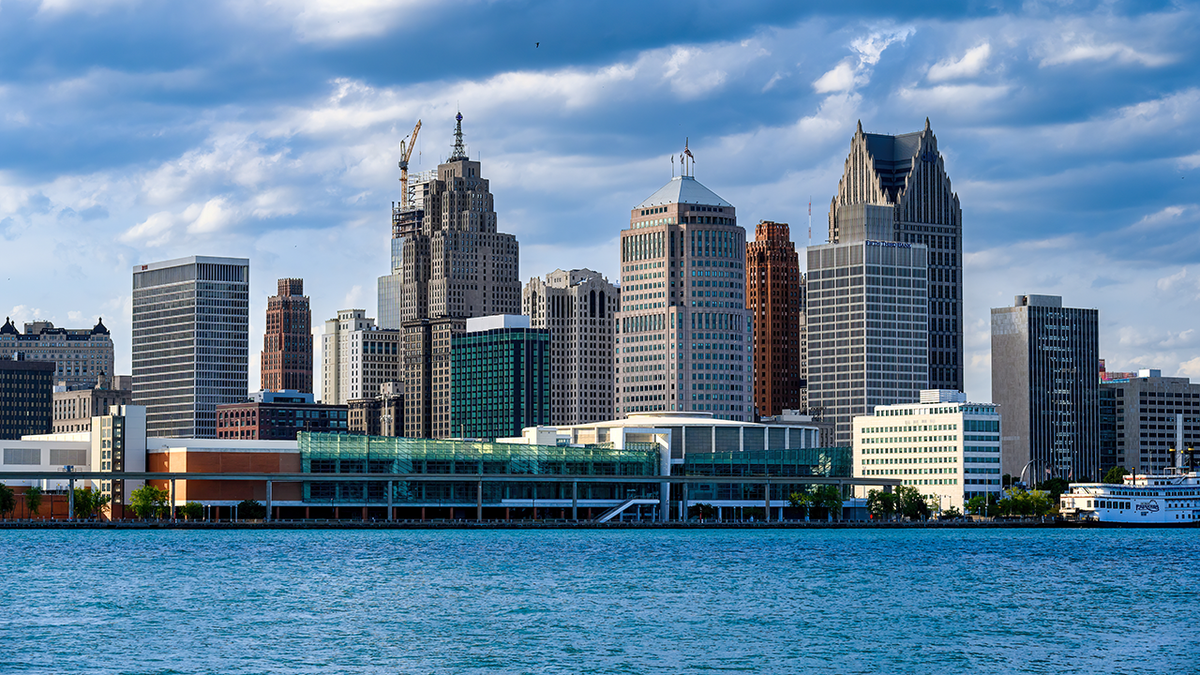
DETROIT — As high-tax, progressive-led cities continue to bleed residents nationwide, locals and policy experts in Detroit are offering contrasting visions for the Motor City’s future — with some eyeing radical free-market reforms to attract those fleeing the East and West coasts.
High state and local taxes, lingering crime concerns, and an astronomical cost of living continue to drive taxpayer flight out of blue strongholds like New York, Chicago, Boston, and Los Angeles. According to a study by the National Taxpayers Union Foundation (NTUF), taxpayers are consistently abandoning high-tax environments for fiscally friendly states.
While Texas and Florida remain primary destinations, Sunbelt states like North Carolina, South Carolina, and Tennessee are seeing record population gains.
BLUE-STATE TAX BURDEN FUELS AMERICANS FLEEING TO REPUBLICAN-LED SOUTHERN STATES
A high cost of living has caused people to leave big cities. But some hope that free market reforms will bring new residents to Detroit. (Roberto Machado Noa/LightRocket via Getty Images)
For many moving away from major metros, the decision comes down to basic math.
“Cost of living is probably a huge reason for it. Those cities are some of the most expensive in the country,” Ferndale resident Andy Femminineo told Fox News Digital on Monday.
Femminineo, who grew up in the Detroit suburbs and works downtown, noted that even high-earning tech workers are being priced out of coastal hubs.
“A lot of those people are showing up here in Detroit,” he said. “The cost of living [on the coasts] is outstripping the tech talent they have there, which is ridiculous. I mean, it’s humongous talent and income there, and you still can’t afford to live.”
Floyd Brantley, a born-and-raised Detroiter, sees the population shifts as part of a historical cycle for major urban centers.
“I think it’s a nationwide trend, and what a lot of people don’t realize is that cities are cyclical anyway,” Brantley said. “This isn’t the first upward swing that Detroit has been on. We’ve been up and down a few times. New York’s been up and down a few times, Chicago — LA is losing a lot of people going to Texas.”
DETROIT DEVELOPER CITES ‘SUBSTANTIAL TAXES’ AS REASON BIG BLUE CITIES LIKE NYC ARE IN TROUBLE
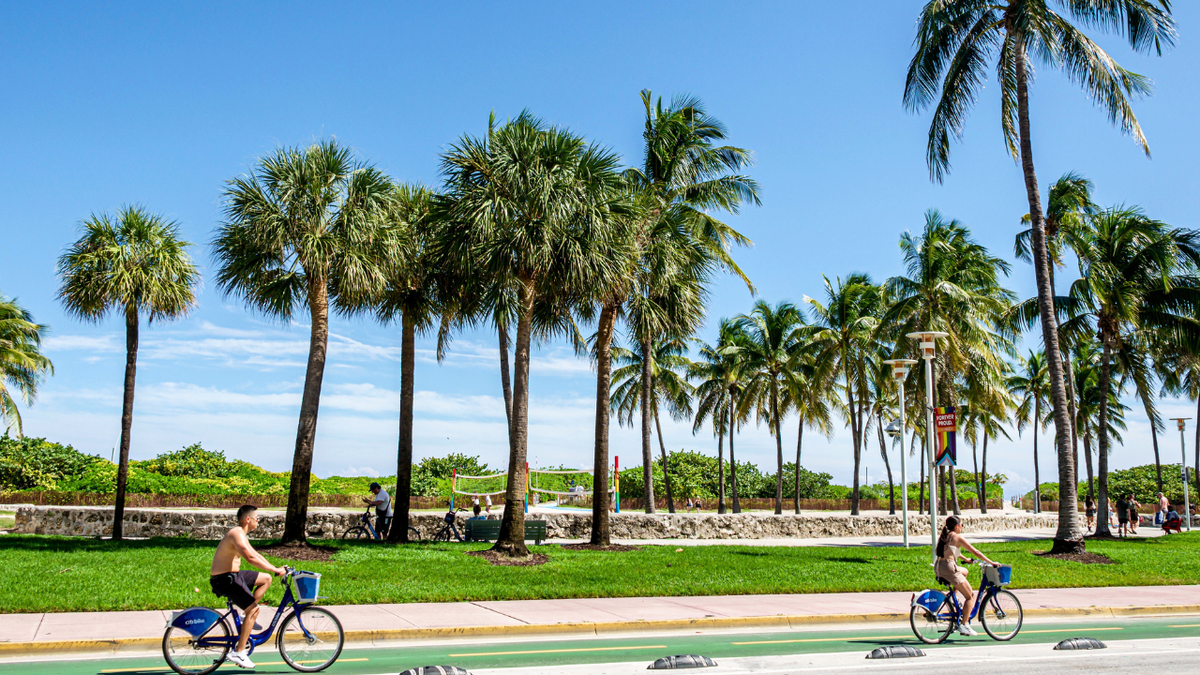
The latest IRS data show one destination pulling in billions in taxpayer income as Americans continue to relocate. (Jeffrey Greenberg/Universal Images Group/Getty Images)
Former Detroit Planning Director Antoine Bryant echoed those sentiments, noting that the South and Midwest offer economic relief that coastal markets simply cannot match.
“The South in general has been growing tremendously,” Bryant told Fox News Digital. “South Carolina has won, there’s been tremendous growth in Texas as well, and you’re seeing that along the coast because the income disparity isn’t as vast as it is on the East and West coasts.”
Bryant, who has lived in Detroit since 2021, expects the city to expand over the coming decade. “Many demographers and planners I talk to say there’s real opportunity here in the Midwest,” he added.
Other locals highlighted the permanent impact of remote work on traditional urban centers.
“People aren’t working in the office buildings anymore, so they don’t need to be centralized in major cities,” said Allen Park resident Ashli Genaw, pointing to how flexible work policies allowed workers to leave New York and California.
While local residents remain hopeful about Detroit’s organic momentum, conservative policy thinkers argue that bolder action is required to capture fleeing taxpayers.
Rodney Lockwood, a board member at the Mackinac Center for Public Policy, believes major cities reliant on heavy tax bases are headed for trouble unless they embrace aggressive free-market alternatives.
“Right now, socialists are on the march, and perhaps [New York State Assemblymember] Zohran Mamdani is the best example of that. They’re winning races, and their answer is always more taxes and more free stuff,” Lockwood told Fox News Digital. “We have to look at both sides: what is not working, and then what will work.”
DAVID MARCUS: IN BOOMING DETROIT, VOTERS SKEPTICAL OF SOCIALISM SNAKE OIL

Based on cost of living and the national minimum wage, most Americans can’t even afford a modest apartment without being cost-burdened by rent. (Getty Images)
Lockwood’s proposal? Convert Detroit’s iconic Belle Isle Park into an independent, free-enterprise “Freedom City” designed to compete directly with high-tax blue hubs.
Developed in the late 19th century, Belle Isle is a 982-acre island park sitting in the Detroit River — making it larger than New York City’s Central Park. Under Lockwood’s vision, private investors would purchase the island from the city to build a mixed-use housing, entertainment, and commercial district structured as a special economic zone. The plan aims to accommodate 50,000 residents across 20,000 households without relying on public tax dollars.
“Detroit is stuck. Its population is not increasing fast enough, and it faces a potential fiscal cliff as federal COVID-relief money runs out,” Lockwood argued.
However, the idea of privatizing Detroit’s prized public park met sharp resistance from several locals in the downtown area.
“Horrible idea,” said Tanya Clark, a native Detroiter. “We need more public spaces throughout the city, not fewer. Other places might want that, but it’s not a Detroit thing.”
Others were more open to the ambitious concept.
CLICK HERE TO DOWNLOAD THE FOX NEWS APP
“I think that’d be amazing,” said Alonte Banks, a student living in downtown Detroit. “I’m pretty sure I’d move down there.”

- Admin
- Jake Peavy puts musical chops on display with NLDS Game 4 national anthem October 8, 2026
- ‘Cornell 7’ drama proves the campus-rape panic is a farce — and college women know it October 8, 2026
- Miranda Devine: The far-left is pushing its most nonsensical anti-Trump hoax yet. It will only hurt Dems in the midterms October 8, 2026
- Top execs from California’s largest companies blast state’s wasteful spending in ‘explosive’ ad October 8, 2026
- Winless Titans fire three execs in front office shake-up October 8, 2026