Matt Rhule sounds alarm on NFL returnees, $45 million rosters and college football’s payroll problem
The debate over whether NFL returnees should be allowed back into college athletics isn’t going away anytime soon, especially with the amount of court proceedings taking place amid new conference guidelines.
Over the past few months, dozens of lawsuits have been filed across the country challenging the eligibility rules for athletes from the 2022 class.
What began as a fight over an additional year of eligibility has now turned into a full-blown battle involving conferences, schools, attorneys and state court judges.
GOVERNOR LANDRY BACKS LANE KIFFIN, LSU IN FIGHT WITH SEC: ‘DON’T HATE THE PLAYER, HATE THE GAME’
The fallout has led conferences across college athletics to enact new guidelines outlining potential punishments for schools that roster plaintiffs granted an injunction or temporary restraining order by a local judge.
In Louisiana and Texas alone over the past week, more than 50 athletes have been granted another year of eligibility. Attorneys are now adding conferences, including the SEC, to their lawsuits because of the new guidelines meant to deter schools from taking these players.
Head coach Matt Rhule of the Nebraska Cornhuskers leads players onto the field before a game against the Penn State Nittany Lions at West Shore Home Field at Beaver Stadium on Nov. 22, 2025, in State College, Pa. (Getty Images)
Athletes with NFL training camp experience returning to college are better
One of the more interesting debates around this entire saga has centered around the competitive advantage these athletes would have on the field.
While some might wonder how much better a fourth string player participating in NFL camp would actually be with a return to college, Nebraska’s Matt Rhule told OutKick’s Dan Dakich that these athletes would have a considerate advantage over players who have been practicing on a college campus.
“Twice as good, twice as good,” Rhule told Dakich. “I mean, I think the hardest thing, you know, when you’re coaching these guys is you’re always telling them like, ‘hey guys, do this, this is what it’s like, or the next level’. You know, half of it is like as a kid, you know they’re kids, right?…Like just the growth you make.
“They train for the combine. They train in a pro facility, had an agent pay for their meals, trained with NFL teams, they had training camp…I think if an NFL player came back, it would be twice, if not three times better than they were.”
Whether or not you believe that is a entirely different topic of discussion, but I think most would take the word of the Nebraska head coach.
LSU’S LANE KIFFIN FIRES BACK AT NFL RETURNEE BACKLASH: BLAME THE NCAA, NOT US FOR RECRUITING PRO ATHLETES
Though, maybe he’s just saying this to create fear for judges across the country.
This is just ‘player payroll’ now in college football, not NIL or rev-share
We are essentially living in an era where college sports should be viewed more like Double-A baseball than the amateur model administrators spent decades trying to protect.
Better yet, think of how much it will cost these schools to continue fielding a roster that is in the CFP conversation when the first week of November comes around.
As for the entire “name, image and likeness” conversation, Rhule says that is no longer the proper way to describe how college athletes are being compensated.
“People use the term NIL for a while. We gotta get rid of that, it’s just payroll. It’s player payroll,” Matt Rhule noted to Dan Dakich. “You look at the National Football League, all the major sports, they all have a salary cap because they say the number one expenditure is paying players. In college football, the spending on players has gone up 60% every year.
“What was once a $24 million roster is now a $30 (million). Playoff teams this year, outside research, is about $45 million. Some of the numbers coming out might not havw the right word, but some of the numbers are low, it’s about $45 million a year..”
While Rhule would go on to say that Nebraska has great deals and makes a ton of money from sponsorships and other forms of revenue, it comes down to a decision that the school has to make on where to spend, and how much.
CLICK HERE TO DOWNLOAD THE FOX NEWS APP
And yes, there are programs spending the type of money Rhule described. LSU and Texas are certainly on that list.
But as college football continues to push the limits — with potential changes still coming through congressional legislation — the cost of building a competitive roster will only continue to rise.
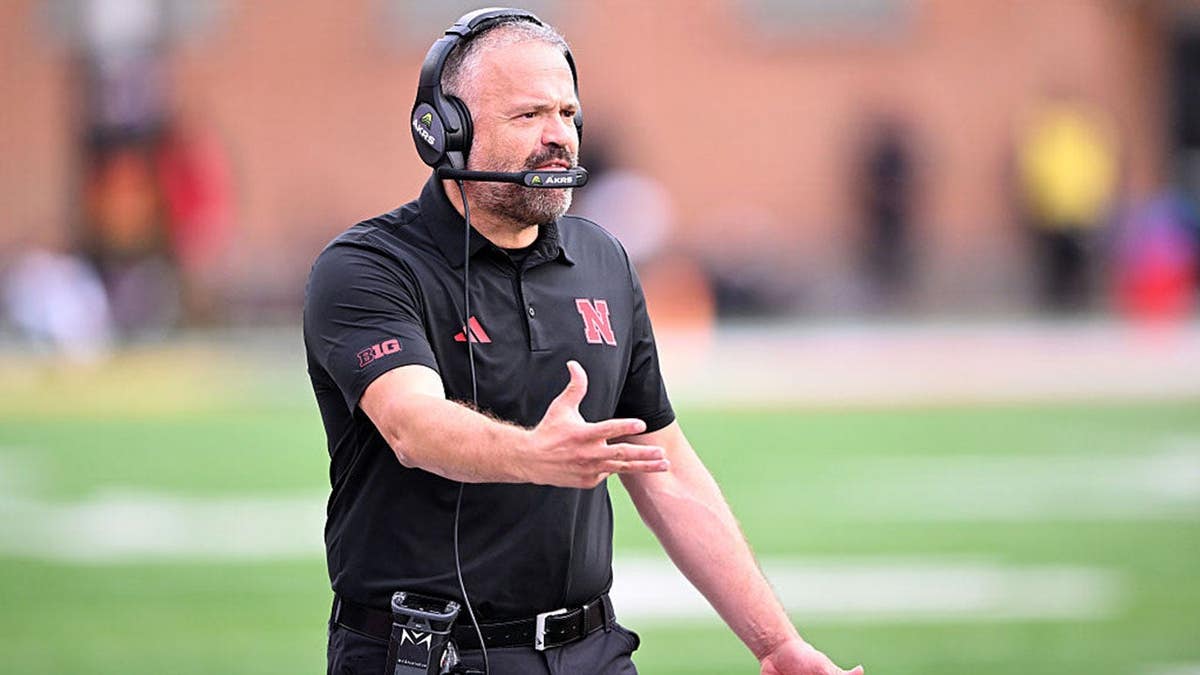
Nebraska head coach Matt Rhule watches the game against Maryland at SECU Stadium in College Park, Md., on Oct. 11, 2025. (Getty Images)
Programs with the resources will adapt and find the money. Others will be left trying to compete for conference championships and playoff berths with rosters that cost half as much as the teams sitting across from them.
In other words, welcome to college athletics in 2026.

- Admin
- France announces nightly curfews 'for as long as necessary' in Paris and other cities October 21, 2026
- Father of Sahara Ray’s daughter Snow revealed after model’s shocking death at 34: report October 21, 2026
- Thunder roll past Spurs in opener to get measure of revenge for last season’s playoff loss October 21, 2026
- NYC subway shooting victim remembered as a gym buff and a family man: ‘He was crazy about his father’ October 21, 2026
- United Nations report highlights significant increase in U.S. climate pollution October 21, 2026