Richard Branson’s wife could have survived with crucial medication, coroner finds
Kyle Busch died after pneumonia led to sepsis complications
NASCAR driver Kyle Busch, 41, tragically died from severe pneumonia that escalated into sepsis, his family confirmed. Dr. Cedric Rutland, a pulmonary critical care physician and American Lung Association spokesperson, explains how pneumonia’s inflammation and infection can overwhelm the body.
NEWYou can now listen to Fox News articles!
The death of Richard Branson’s wife, Lady Joan Branson, could have been prevented if she had received medication to prevent blood clots, a British coroner reportedly found.
Lady Branson died at 80 after being admitted to the hospital in November 2025 after a fall weeks earlier on Necker Island, a British Virgin Island owned by her billionaire husband.
Her cause of death was determined to be a pulmonary embolism caused by deep vein thrombosis (DVT), in which a blood clot travels to the lungs and blocks an artery, the BBC reported.
KIM KARDASHIAN REVEALS NEW HEALTH SCARE WITH HAUNTING CONNECTION TO FATHER’S CANCER DEATH
Senior coroner Fiona Wilcox told Westminster Coroner’s Court earlier this month that Lady Branson did not receive preventive anticoagulants, commonly known as blood thinners, at the hospital despite a “very high risk of developing deep vein thrombosis,” according to the outlet.
A British coroner concluded Lady Joan Branson’s death likely could have been prevented with preventive blood-thinning medication. (Axelle/Bauer-Griffin/FilmMagic)
According to testimony during the legal inquest, Lady Branson’s biggest risk factors included her immobility after a fracture following her fall.
“I do find her death would have likely been prevented and the lack of anticoagulation did cause or contribute to her death probably,” Wilcox said.
COMMON ANTIBIOTIC LINKED TO HIGHER RISK OF DEATH IN ADULTS, MAJOR STUDY FINDS
Wilcox added, however, that the case was not one of neglect because Branson did receive medical care.
The inquest, she said, was to “explore the facts, come to the correct conclusions and learn lessons from this,” The Independent reported.
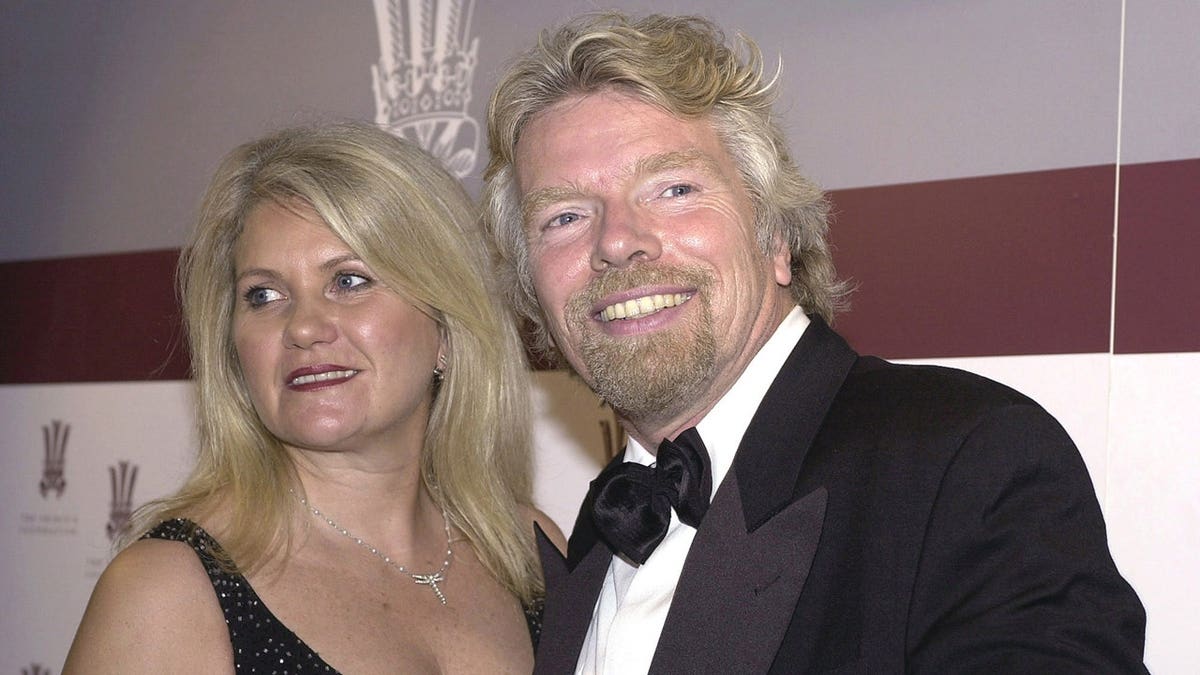
The inquest into Lady Joan Branson’s death has drawn attention to the importance of preventing dangerous blood clots in hospitalized patients. (Tim Graham/Sygma/Corbis via Getty Images))
During the inquest, doctors gave differing testimony about whether bleeding risk justified withholding the medication, namely enoxaparin, an injectable blood thinner commonly used to help prevent blood clots in hospitalized patients.
EVERYDAY HABIT LINKED TO DRAMATICALLY LOWER RISK OF DYING FROM HEART DISEASE
The hospital’s admitting doctor, Dr. Basir Kunduzi, testified that he did not complete a bleeding risk assessment on the day of Lady Branson’s admission.
Kunduzi said Lady Branson’s death led him to “reflect on [his] role as a doctor” and the importance of “good communication between team members,” according to the BBC.
CLICK HERE FOR MORE HEALTH STORIES
Fox News Digital has reached out to the hospital for comment.
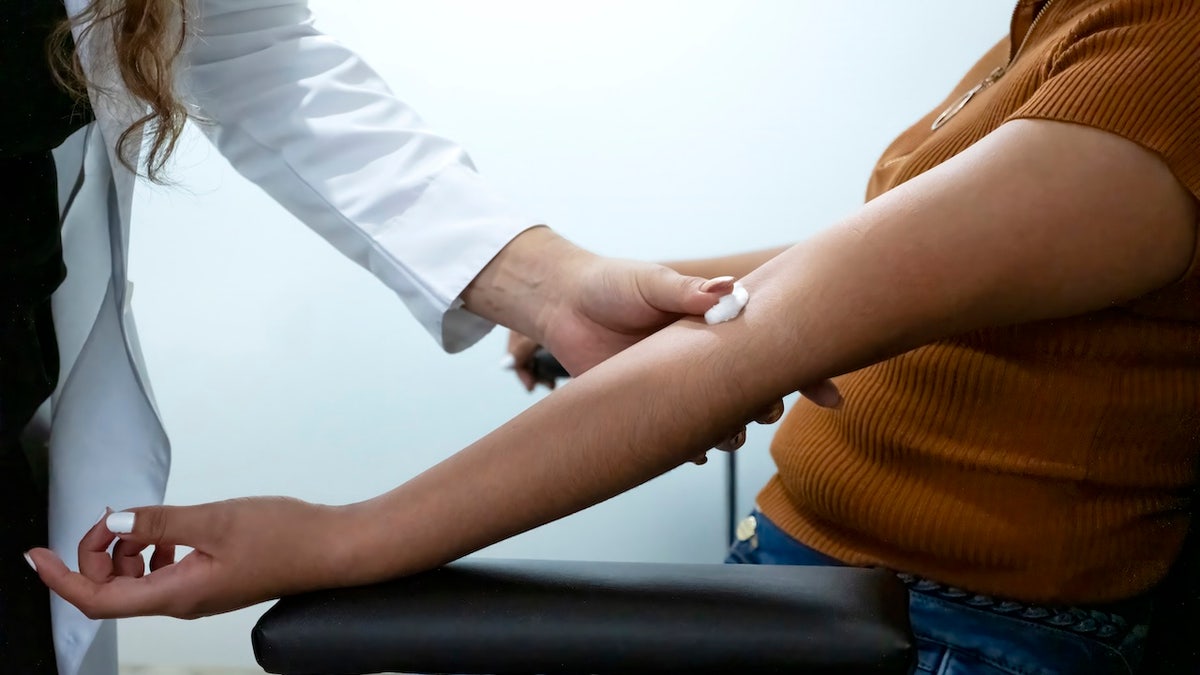
The case highlights the importance of balancing blood clot prevention with bleeding risk when treating hospitalized patients. (iStock)
The findings highlight the lifesaving role of blood thinners, which are often used in hospitals to help prevent DVT in patients who are unable to move normally after surgery, fractures or prolonged bed rest. They can increase the risk of bleeding, however, so doctors must weigh both risks before giving them.
Nearly all hospitalized adults should receive some form of blood clot prevention, either with blood-thinning medication or mechanical devices that help keep blood flowing in the legs, Dr. Jared Ross, a South Carolina-based emergency medicine physician, told Fox News Digital.
“In the vast majority of cases, the benefits outweigh the risks,” Ross, who was not involved in the inquest or Branson’s care, added.
CLICK HERE TO SIGN UP FOR OUR LIFESTYLE NEWSLETTER
A spokeswoman for Sir Branson said the family does not plan to comment on the inquest and pointed to the numerous social media posts he has made for his wife.

Sir Richard Branson paid tribute to his wife after her death, calling her the “shining star” of their family. (Photo by Patrick T. FALLON / AFP) (Photo by PATRICK T. FALLON/AFP via Getty Images)
“Life will never be the same without her,” Branson wrote on Instagram last year, calling her the “shining star” of the family. “But we have fifty incredible years of memories — years filled with tears and laughter, kindness, and a love that shaped our family more than words could ever capture. It was a relationship that worked. We just had lots of laughs. We were very lucky.”
CLICK HERE FOR MORE LIFESTYLE NEWS
Although pulmonary embolisms can be life-threatening, prompt treatment greatly improves the chances of survival, making early recognition critical.
Symptoms of DVT can include swelling, pain or tenderness, warmth and redness in the affected leg or arm, according to the Centers for Disease Control and Prevention.
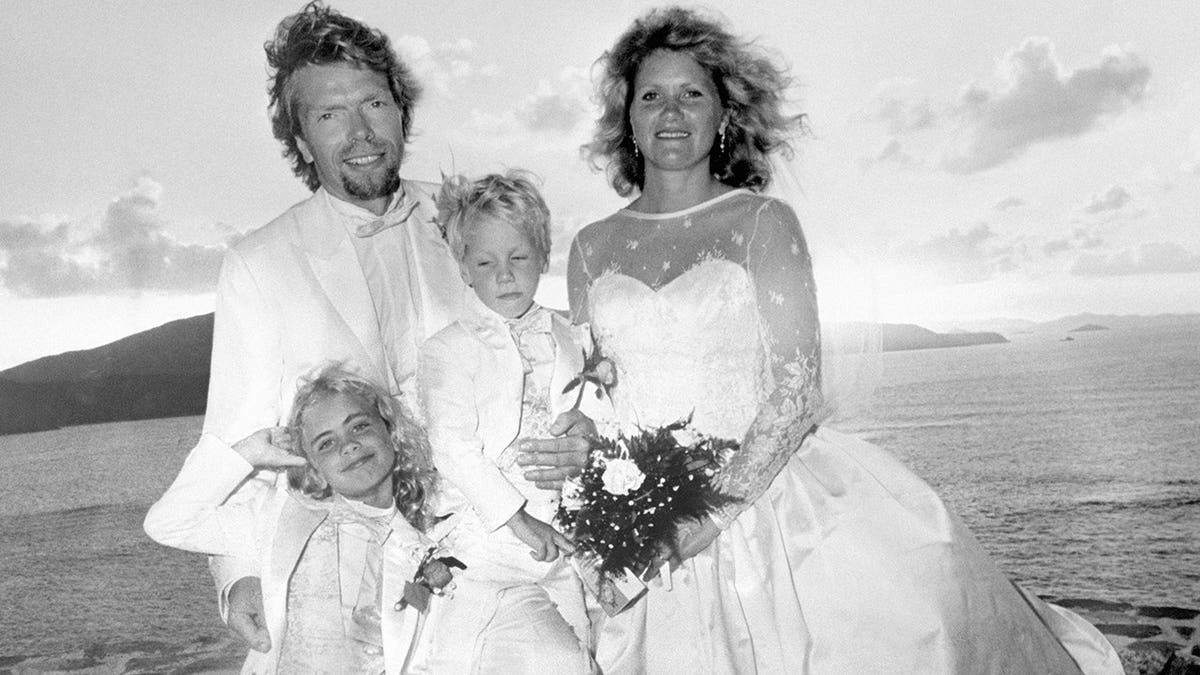
Richard Branson and Joan Templeman married on Necker Island in 1989 — the same private Caribbean island where she suffered the fall that preceded her final hospitalization. (PA Images via Getty Images)
A pulmonary embolism, which occurs when a clot travels to the lungs, may cause shortness of breath, chest pain that worsens with deep breathing or coughing, a rapid or irregular heartbeat, coughing up blood, lightheadedness or fainting.
CLICK HERE TO DOWNLOAD THE FOX NEWS APP
The CDC and the National Heart, Lung, and Blood Institute say anyone with symptoms of a pulmonary embolism should seek immediate medical attention.

- Admin
- Tree limb that snapped and fell onto NYC hot dog vendor was inspected days earlier, city says September 20, 2026
- Dodgers, other contenders face concerns in Post’s latest MLB power rankings September 20, 2026
- Michael Pittman Jr. to miss Patriots clash in Steelers crusher September 20, 2026
- India Is Again Squeezed Between the Threat of Trump Tariffs and Russian Oil September 20, 2026
- Where LSU QB Sam Leavitt stands for Ole Miss game after ‘doubtful’ tag drama September 20, 2026