Hot flashes, night sweats, insomnia – OB-GYNS set new rules for menopause treatment
For the first time since 2014, the American College of Obstetricians and Gynecologists has updated its guidelines for the treatment of symptoms commonly associated with menopause.
Halfpoint Images/Getty Images
hide caption
Halfpoint Images/Getty Images
For the first time since 2014, the American College of Obstetricians and Gynecologists has updated its guidelines for the treatment of symptoms commonly associated with menopause. The doctor’s group, known as ACOG, recommends hormone replacement therapy alongside certain antidepressants, nonhormonal medicines, and other treatments to address symptoms like hot flashes, insomnia and mood swings.
“What’s changing is the breadth of options that we now have … And the benefit of that is that we are better equipped to be able to take an individualized approach for patients,” said Catherine Cansino, MD, MPH, an obstetrician/gynecologist, chair of ACOG’s Committee on Clinical Practice Guidelines and co-author of the new guidance.
The guidance, released Thursday, focuses on specific menopausal symptoms and underscores that the safety of hormone replacement therapy is now “well-established,” Cansino said.
In 2002, the Women’s Health Initiative suggested that hormone replacement therapy increased the risk of heart disease, breast cancer, stroke and pulmonary embolism.

However, as researchers revisited that data years later, they noticed certain limitations, (including that a majority of participants were 60 years or older) making it difficult to generalize the findings to younger women experiencing menopause or perimenopause.
With more and better quality studies, physicians are able to review the evidence and make better-informed recommendations, Cansino said.
“Hormone therapy is probably the best option for symptomatic, newly menopausal women within 10 years of the final menstrual period or before the age of 60,” said Robert Kauffman, MD, MSCP, a co-author of the guidelines, during a press briefing on Thursday.
In addition to hormone replacement therapy, the guidelines highlight new nonhormonal options for treating menopausal symptoms, including the drug fezolinetant, brand name Veozah, which the Food and Drug Administration approved to treat hot flashes in 2023 and elinzanetant, brand name Lynkuet, which was approved in 2025.
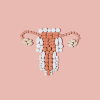
“What’s so exciting about these treatment options is they were specifically studied based on the understanding that we have of the physiology of thermoregulation and sleep,” Cansino said.
The medications work by blocking certain chemical messengers in the part of the brain that regulates body temperature and manages sleep/wake cycles, according to the guidance.
About 2 million women begin menopause each year. The average age of a woman experiencing menopause is 49.9 years, according to the guidelines. However, symptoms of menopause can begin years before a woman’s final menstrual period.
The new recommendations support the use of systemic hormone replacement therapy, or HRT, with a combination of estrogen and progestogen in women with a uterus who have no contraindications to hormones.
Reasons to avoid hormone therapy include undiagnosed abnormal genital bleeding, and current or past histories of certain gynecologic cancers, blood clots, stroke, heart attack, liver disease or a known or suspected pregnancy.
The reason progestogen is recommended in women with a uterus is because estrogen can stimulate growth of the uterine lining and increase the risk of endometrial cancer. Progestogen therapy helps mitigate that risk, Cansino explained.
Around half a million women have hysterectomies each year, and for women without a uterus, ACOG recommends estrogen alone.
As an alternative to estrogen-progestogen therapy, ACOG also recommends a pill, sold under the brand name Duavee, that combines estrogen and a drug called bazedoxifene. Bazedoxifene is a “selective estrogen receptor modulator,” which blocks the estrogen from working in certain areas of the body, such as breast tissue, while mimicking estrogen’s benefit for bone density, for instance.

Another drug recommended in the new guideline is gabapentin, an anticonvulsant typically used to treat seizures. It can also manage menopause symptoms for people who can’t tolerate hormones or the other new medicines.
Cognitive behavioral therapy, mindfulness-based interventions, exercise, clinical hypnosis, and acupuncture can all improve some symptoms, ACOG says, however the guidelines also note that the evidence for these interventions is weaker than the evidence for HRT.
Still, patients may have their own preferences and goals, Cansino said.
“I live in California, and I have a practice where many patients don’t necessarily want pharmacologic therapy,” Cansino said. So, she tends to have a lot of conversations about non-pharmacologic treatment options with her patients.
“A healthy diet and regular physical exercise is going to go a long way. So let’s start with that,” and then discuss what other interventions to add to the regimen, she said.
Asked, in a follow-up email, whether Cansino recommended one medication or tool over another, she warned against “over-simplifying treatment based on tiers.”
Just like with contraception, she noted that patients may choose a certain method, knowing that it’s less effective. “As long as they understand the pros and cons, such a decision is perfectly OK.”
Meanwhile, demand for HRT is already rising. Last year, the FDA scrapped the “black-box warning” on labels for certain estrogen therapies.
In recent months, estrogen products like transdermal patches have been hard for pharmacies to keep in stock.
“I think the shortage of transdermal estrogen therapy highlights the fact that we have all of this attention about hormone therapy, and not necessarily enough about other treatment options,” Cansino told NPR.
She also stressed the need for patients to talk to trusted clinicians about the pros and cons of treatments and to avoid having “tunnel vision” about a single option.
The level of care that OB/GYNs provide by helping individual patients find the right treatment is one of the most important aspects of the new guidance, Cansino said.
“There’s a lot of misinformation out there and exaggerated claims about hormone therapy, and so some people end up taking risks when they shouldn’t,” she added.

- Admin
- Panthers GM Bill Zito has unusual tie to Brewers’ last World Series run October 17, 2026
- Stream It Or Skip It: ‘Money Trap: The Karun Treasure’ On Netflix, A Madcap Adventure That Involves A Con Artist, A Violent Criminal, And A Treasure Map October 17, 2026
- Long-lost Keith Haring mural that spent decades hidden behind drywall hits market in $25M Tribeca loft October 17, 2026
- ‘I served with Ilhan Omar’s father in the Somali military — people were scared of him’: ex-officer October 17, 2026
- Lili Reinhart shares her self-care staples, from high-tech beauty tools to ‘the best’ pajamas October 17, 2026