WATCH: Brandon Gill corners law school gatekeeper with DEI question she won't answer
NEWYou can now listen to Fox News articles!
Rep. Brandon Gill, R-Texas, put American Bar Association President Michelle A. Behnke in the hot seat Wednesday, repeatedly pressing her on whether the ABA’s diversity principles would justify rejecting a third Black Supreme Court justice.
The tense exchange came during a House Oversight Committee Task Force on Defending Constitutional Rights and Exposing Constitutional Abuses hearing examining the ABA’s role in law school accreditation. Republicans argued the organization has used its accreditation authority to advance race-conscious DEI policies throughout the legal profession, while the ABA defended its commitment to diversity, saying it strengthens the profession without supporting racial quotas.
Gill, who chairs the task force, has accused the ABA of using its accreditation power to pressure law schools into adopting race-conscious admissions policies and mandatory DEI-related coursework.
“DEI is a cancerous ideology that promotes unlawful discrimination and steals opportunities from Americans who would otherwise earn jobs and law school admissions spots on merit,” Gill said ahead of the hearing.
CONGRESS TO PUT AMERICAN BAR ASSOCIATION IN HOT SEAT OVER DEI RULES TIED TO LAW SCHOOL ACCREDITATION
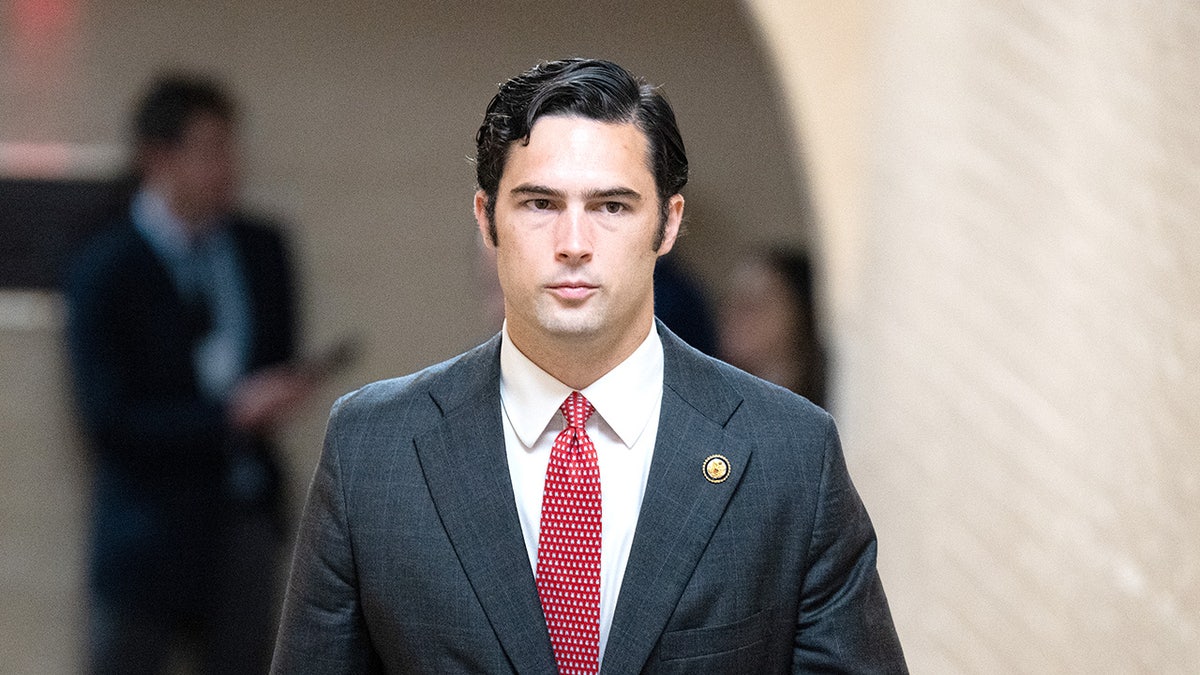
Rep. Brandon Gill, R-Texas, leaves the House Republican Conference caucus meeting in the Capitol on Tuesday, May 6, 2025. (Bill Clark/CQ-Roll Call, Inc via Getty Images)
During one of the hearing’s sharpest exchanges, Gill questioned Behnke about statements on the ABA’s website promoting judicial diversity. He cited the ABA’s position that judges should reflect the diversity of American society, then asked whether a racially representative Supreme Court would be beneficial.
“The ABA believes that diversity in all of its forms is important,” Behnke responded, but repeatedly declined to give Gill a yes-or-no answer.
DISCRIMINATORY ‘SHADOW’ REVIEW PROCESS LOCKS WHITE, ASIAN STUDENTS OUT OF CALIFORNIA MED SCHOOL, DOJ ALLEGES
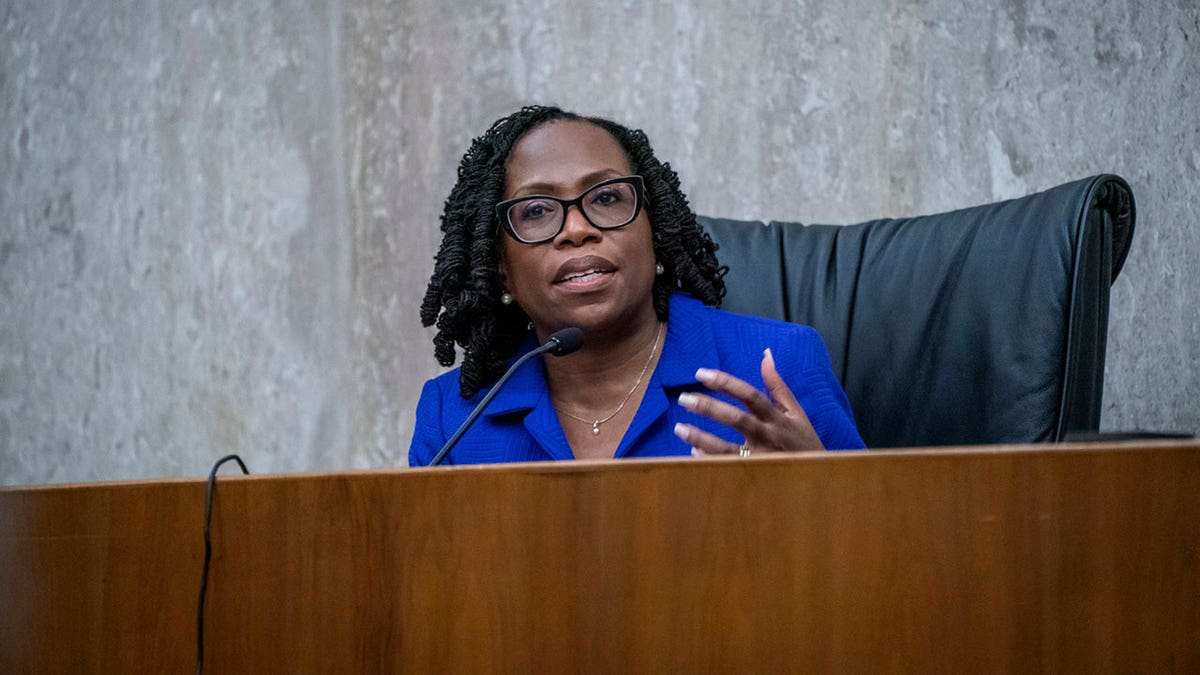
Supreme Court Justice Ketanji Brown Jackson gives a joint lecture, as part of the Flannery Lecture series, at the Ceremonial Courtroom at the U.S. Courthouse on March 9, 2026 in Washington, D.C. (Maxine Wallace/The Washington Pos)
Gill followed up by asking whether the Supreme Court should “roughly resemble America’s racial makeup.”
“The ABA does not support quotas,” Behnke replied.
“I’m not asking about quotas,” Gill responded. “I’m asking if it should roughly resemble America’s racial makeup.”
“It should represent all of what people are,” Behnke said.
Gill responded by noting that two of the Court’s nine justices are Black, representing roughly 22% of the Court compared with about 13% of the U.S. population, and asked whether that meant the Senate should reject a third Black nominee based solely on race.
“ABA does not support quotas,” Behnke said.
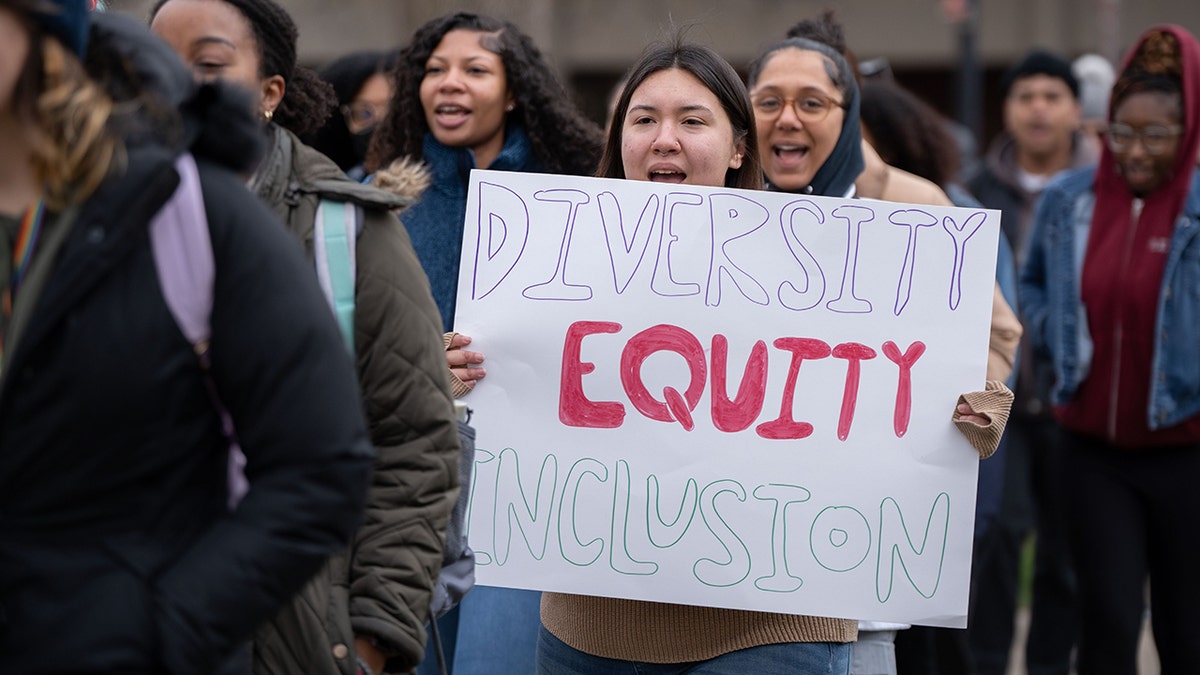
University of Louisville students holding a rally to protect diversity, equity, and inclusion (DEI) on their campus in March 2024. (Clare Grant/Courier Journal / USA TODAY NETWORK / USA TODAY NETWORK via Imagn Images)
JACKSON SCOLDS COLLEAGUES IN SOLO DISSENT AFTER COURT JUMPS INTO ROUTINE POLICE-STOP CASE
Earlier in the hearing, Gill pressed Behnke over President Joe Biden’s 2022 pledge to nominate the first Black woman to the Supreme Court, asking whether race had clearly been a factor in Justice Ketanji Brown Jackson’s nomination.
He also asked whether Biden had improperly excluded other demographic groups from consideration.
“The ABA does not support discrimination of any sort,” Behnke responded, without directly addressing Biden’s selection criteria.
The ABA holds considerable sway over legal education because, in most states, graduating from an ABA-approved law school is the main way to qualify for the bar exam. While the ABA says its law school accreditation council operates independently from the broader organization, Republicans argued the two are far more connected than the ABA lets on.
SIGN UP TO GET THE POLITICS NEWSLETTER
Behnke defended the ABA’s commitment to diversity throughout her testimony, arguing that it strengthens rather than weakens the legal profession.
CLICK HERE TO DOWNLOAD THE FOX NEWS APP
“When we have diverse teams, our profession is stronger,” she told lawmakers. “It enhances our ability to solve our clients’ problems when we can tap into the varied experiences and perspectives of people from every background and every community.”
The hearing comes as several states, including Texas, Florida, Alabama and Tennessee, have explored alternatives to relying exclusively on ABA accreditation for bar eligibility.

- Admin
- Braves’ risky Chris Sale decision could work to Dodgers’ NLDS benefit October 5, 2026
- NFL ‘Sunday Night Football’ betting promos: Grab over $5K in sportsbook, prediction market bonuses for Lions vs. Panthers October 5, 2026
- Hollywood developer unveils ambitious $450M ‘old school’ plan to rescue the movie industry October 5, 2026
- Israeli soccer players wear armbands to remember terror attack victims as Irish opponents pull stunt again October 5, 2026
- Braves vs. Dodgers prediction, best bets: Blake Snell’s late-season hot streak will continue in Game 2 October 5, 2026