California scientists developing shark-spotting robot ahead of 2028 Los Angeles Olympics

Swim in ‘quiet areas’ of the ocean to avoid shark attacks: Shark researcher
Jesse Watters hosts Chris Fischer, founder of OCEARCH, to discuss the early surge in shark attacks this summer. Recent incidents include a New York beach closure due to bull sharks, a swimmer bitten in Queens, and a child attacked in knee-deep water in Florida. Fischer notes a rebound in shark populations to 1960s levels, advising beachgoers to avoid swimming when bait fish are active to stay safe.
The world’s best athletes will descend on Southern California for the 2028 Los Angeles Olympics. And apparently, some of the locals are already circling the competition venues.
Scientists at California State University Long Beach are developing a solar-powered shark-surveillance robot that could help protect athletes and beachgoers during the Games.
The robotic vessel would patrol coastal waters, scanning for tagged sharks, collecting water samples and launching an aerial drone while sending real-time information to lifeguards.
SHARK WEEK SHOCKER AS GREAT WHITE BREACHES JUST YARDS FROM OBLIVIOUS BOOGIE BOARDER
If people are alerted to a shark attack near them, it’s much less likely they will also be bitten, experts say. (iStock)
The craft is approximately 10 feet long and about as wide as a paddleboard, according to NBC Los Angeles. Once fully operational, it could patrol specific beaches on its own for as long as a week at a time.
“It will have a drone on it (to) fly around and find sharks,” Shark Lab Director Chris Lowe said. “It will be listening for acoustically tagged sharks. It will take water samples to look for white shark DNA.”
That could come in handy in 2028, when Southern California hosts Olympic events both in and around the ocean.
Open-water swimming is scheduled to take place in Long Beach, while surfing will be held farther south in Orange County.
“We are going to have athletes swimming in Long Beach harbor, where we know there has been white sharks before,” Lowe explained, “so having this device patrolling for lifeguards will help them better protect athletes.”
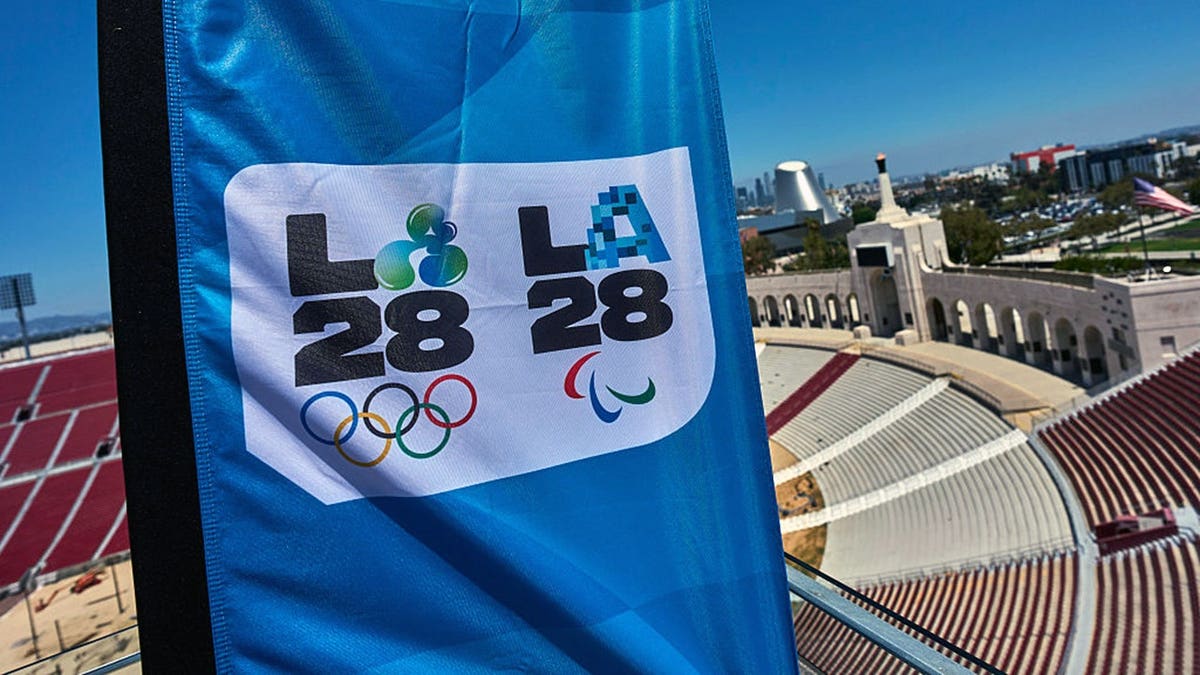
The LA 28 logo is photographed at the Los Angeles Memorial Coliseum, the venue for track and field events, ahead of the LA 28 Summer Olympics on July 22, 2026. (dpa/picture alliance via Getty Images)
The goal is not to sound the alarm every time a shark swims nearby. Sharks already frequent Southern California beaches, usually without bothering anyone.
Instead, the technology would give lifeguards more information when deciding whether conditions warrant warning swimmers or clearing the water.
“Our data suggests that there are sharks around our beaches all the time without incident, but knowing what sharks, and how many are out there help lifeguards make better decisions in beach safety operations and in advising the public,” Lowe said.
‘SHARK WEEK’ HOST FORREST GALANTE EXPLAINS WHY CRUSHING BEERS IN THE OFFICE IS A BAD IDEA
The Shark Lab has already tagged hundreds of juvenile white sharks and currently uses aerial drones and underwater listening stations to track their movements along the California coast. The new surveillance vessel would bring several of those tools together in one platform.
There is still work to be done, though, before a fleet of robotic shark spotters begins protecting Olympians.
“Lots of research and development still needed,” the Shark Lab acknowledged. “But we’re off to a great start.”
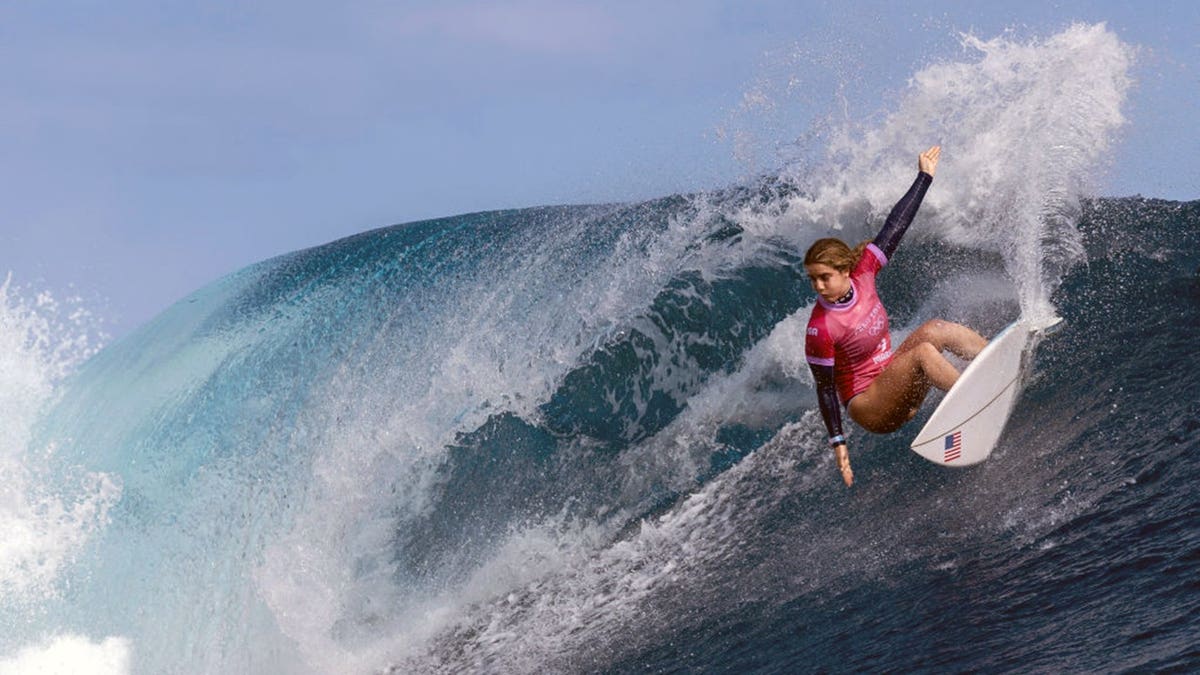
Caroline Marks of Team United States rides a wave during the surfing quarterfinals on day six of the Olympic Games Paris 2024 on Aug. 1, 2024, in Teahupo’o, French Polynesia. (Getty Images)
Funding could also become an obstacle. State funding that helped the Shark Lab build the vessel is reportedly scheduled to expire this fall, potentially forcing researchers to scale back some of their shark-monitoring efforts.
That’s a problem because the surveillance robot relies on sharks being tagged in the first place.
CLICK HERE TO DOWNLOAD THE FOX NEWS APP
“It won’t work if we don’t have tagged sharks out there, so we got to keep tagging sharks,” Lowe said.
The Olympics provide an obvious deadline for the new technology, but Lowe said the program is intended to continue well beyond the 2028 Games.

- Admin
- One of Patty Hearst’s Kidnappers Has Died October 7, 2026
- France’s riots are no ordinary protests — they’re an intifada in the heart of Europe October 7, 2026
- After Death of Bill Harris, a Look Back at the Symbionese Liberation Army October 7, 2026
- Urgent warning issued for island hot spot as State Department tells travelers to 'stay alert' October 7, 2026
- Sickly creature found in Los Angeles prompts official warning — marks first case in 50 years October 7, 2026