Inside the Pentagon's doomsday plan to keep America fighting if global war erupts
NEWYou can now listen to Fox News articles!
FIRST ON FOX — The Pentagon is preparing U.S. military bases to keep operating for at least 90 days without outside support as it prepares for the possibility of a major war that could cripple power grids, disrupt supply chains and threaten critical infrastructure on American soil.
The new requirement is part of FORTRESS, a broader military initiative aimed at ensuring American forces can continue fighting even if the civilian systems they depend on are disrupted, according to documents reviewed by Fox News Digital.
AMERICA’S NEXT WAR COULD REACH US SOIL, TOP ARMY GENERAL WARNS
“We don’t want to rely on standard civilian municipal infrastructure to run our national defense. We just simply can’t. It’s an intolerable risk,” Pentagon chief spokesperson Sean Parnell told Fox News Digital.
Army launching new initiative to build nuclear micro reactors on bases. (Tony Gutierrez/AP:Getty Images)
The Pentagon is also laying the groundwork for civilian factories to shift to defense production during a crisis, while preparing alternative supply chains and strategic reserves to keep weapons, fuel and other essential materials flowing.
“Power is combat now. Without electricity, you lose communications, water, logistics, assembly lines and just basic military command structures,” Parnell said.
Under FORTRESS, every major military installation in the continental United States would be expected to sustain essential operations independently for at least 90 days, including access to electricity, water, fuel and communications.
TRUMP PENTAGON LAUNCHES COMPETITION FOR AMERICA’S NEXT GREAT MILITARY BASE
The requirement reflects a broader shift in how the Pentagon is preparing for threats to the American homeland, including the possibility that a major conflict could disrupt the infrastructure supporting military operations inside the United States.
“I realized that a lot of the way we think about homeland defense was built around the antiquated assumption that two oceans would protect us,” Parnell said. “President Trump understands that world is gone, and he’s already paved the way for new thinking: Golden Dome, a renewed focus on the Western Hemisphere, Greenland, Panama.”
A central concern is the military’s reliance on civilian power grids, which support everything from communications and logistics to weapons manufacturing.
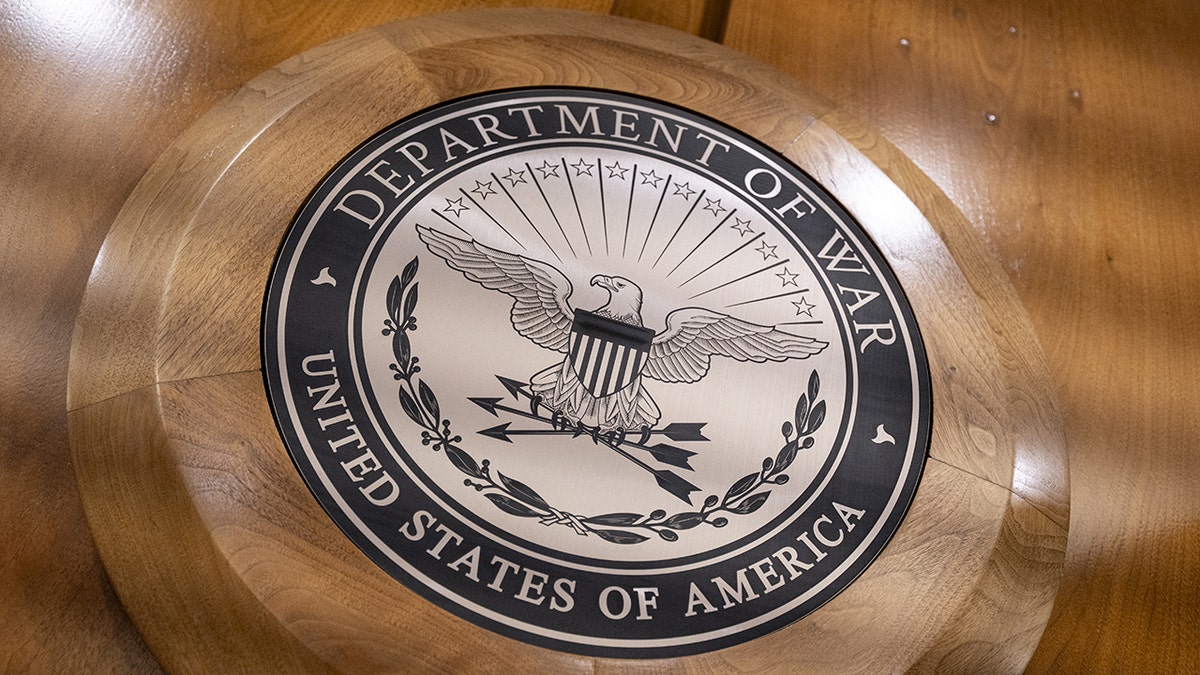
The seal of the Department of War is displayed inside the Pentagon in Washington, D.C. (elal Gunes/Anadolu via Getty Images)
FORTRESS envisions portable nuclear reactors, large-scale battery storage and microgrids capable of disconnecting military installations from the civilian electrical grid, allowing them to continue operating during prolonged power disruptions.
“Mission-critical power must be independent, hardened, and redundant,” Parnell said.
The Pentagon has already announced plans to reduce major military installations’ dependence on civilian power grids. The 90-day self-sufficiency standard goes further, extending the requirement beyond electricity to other essential services needed to sustain military operations.
The strategy also anticipates major disruptions to the global supply chains that provide the military with weapons, equipment and critical materials.
“The next conflict will likely be fought on multiple fronts. Look at the geopolitics behind any major war. When that happens, global supply chains will break,” Parnell said.
To prepare, FORTRESS calls for strategic reserves of munitions, fuel, critical minerals, electronics, spare parts and medical supplies that could sustain military operations if international supply routes are disrupted or domestic manufacturers cannot keep pace with wartime demand.
Reserve targets would vary depending on how quickly supplies are consumed during a major conflict and how long manufacturers would need to replace them.
STARTUPS BRING INNOVATION TO DEFENSE INDUSTRIAL BASE
For the military’s most critical defense dependencies, the initiative also establishes a requirement for at least two qualified supply or production pathways, reducing the risk that the loss of a single factory, supplier or industrial capability could interrupt military operations.
Another major component involves preparing America’s civilian manufacturing sector to support a wartime mobilization.
Through the Civil Reserve Manufacturing Network, an existing initiative incorporated into FORTRESS, the Pentagon plans to identify commercial factories capable of shifting to defense production during a crisis.
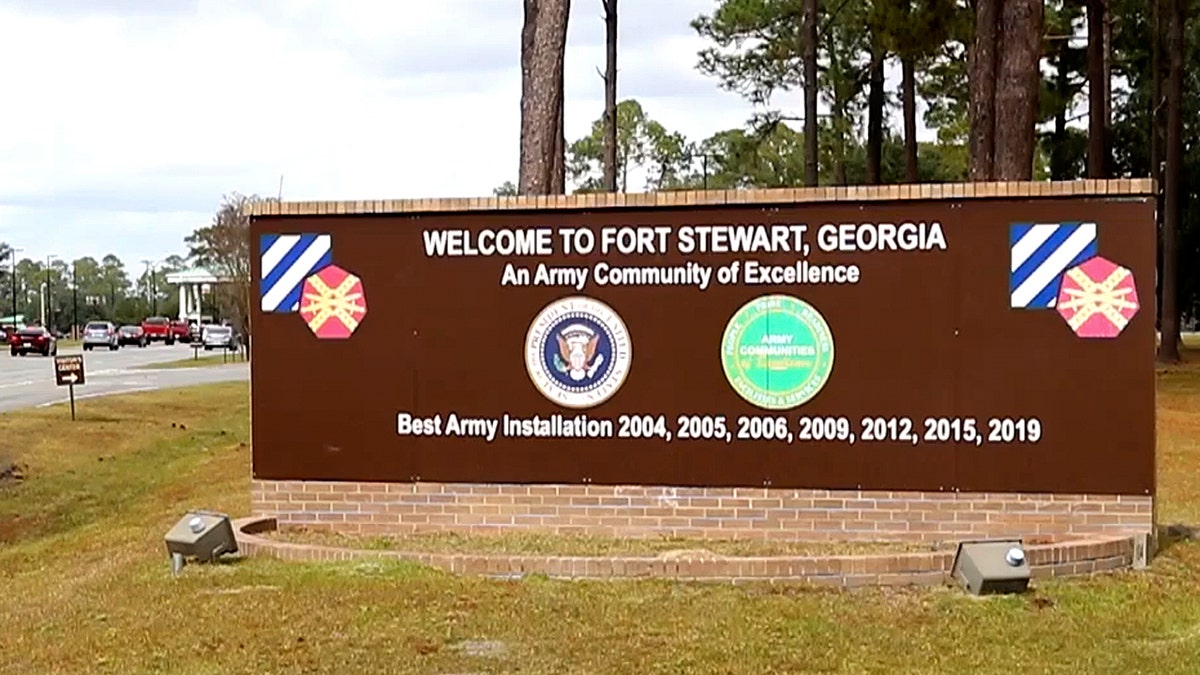
This image from video provided by the U.S. Army via DVIDS shows the entrance to Fort Stewart in Georgia on Nov. 18, 2021. (Staff Sgt. Daniel Guerrero/U.S. Army via AP)
The new details describe plans to assess manufacturers’ capabilities and establish technical specifications, cybersecurity protections, contracting arrangements and conversion procedures in advance, rather than waiting until a conflict begins.
FORTRESS also calls for recurring industrial stress tests and mobilization exercises to assess whether manufacturers could maintain production through prolonged disruptions.
Beyond energy and manufacturing, the initiative includes efforts to strengthen military communications, navigation and satellite capabilities against interference, including preparations to maintain operations when GPS signals are jammed or space-based assets are disrupted.
Together, the measures are intended to reduce the military’s dependence on civilian infrastructure and vulnerable supply networks during a prolonged conflict.
“You don’t want to be making these decisions in the middle of a global multi-front conflict. We have to have a plan,” Parnell said.
CLICK HERE TO DOWNLOAD THE FOX NEWS APP
He described FORTRESS as an insurance policy for the homeland, designed to ensure American forces can continue operating even if a major war disrupts the infrastructure and supply chains they rely on.

- Admin
- Jets vs. Dolphins: Preview, prediction, what to watch for in Week 7 October 25, 2026
- Could Lula Be on the Brink of Defeat in Brazil’s Election? October 25, 2026
- None of This Is Normal October 25, 2026
- Netanyahu Won the Middle East and Lost the World October 25, 2026
- Former Israeli army chief Gadi Eisenkot emerges as Netanyahu’s leading election challenger October 25, 2026