'Money out of politics' ballot measure sparks First Amendment fight in battleground state
NEWYou can now listen to Fox News articles!
Michigan voters approved a ballot initiative called Proposal 2, pitched to them as a way to curb pay-to-play donations and get money out of politics. But the measure has also triggered a federal First Amendment lawsuit alleging its separate speech and disclosure provisions could ensnare journalists, nonprofits and policy researchers who discuss elected officials.
Michiganders for Money Out of Politics, also known as MOP UP Michigan, said the lawsuit was expected after voters approved Proposal 2. Campaign manager Maura Cowley said the group is “confident Proposal 2 will withstand legal scrutiny” after organizers said they submitted more than 560,000 signatures to place the measure on the ballot.
The Mackinac Center for Public Policy, which filed the lawsuit, says it is not challenging the initiative’s central pay-to-play restrictions on political contributions from utility companies and government contractors. Its lawsuit instead targets provisions imposing reporting and disclosure requirements on certain communications that refer to candidates or ” promote, support, attack, or oppose” candidates or ballot questions, even without expressly urging voters to support or oppose them.
“Michigan voters deserve the freedom to research, debate, and report on the policies that shape their lives. But Proposal 2 is a Trojan horse: while it claims to target corruption, it would expose the Mackinac Center, its supporters, and ordinary Michiganders to criminal penalties and harassment simply for discussing public policy,” Patrick Wright, the Mackinac Center’s vice president of legal affairs, said in a statement provided to Fox News Digital.
SURVEY REVEALS COLLEGE STUDENTS’ GROWING INTOLERANCE FOR FREE SPEECH
Demonstrators protest the suspension of the “Jimmy Kimmel Live!” show outside the El Capitan Entertainment Centre where the show is performed in Hollywood on Sept. 18, 2025 in Los Angeles, California. (Mario Tama/Getty Images)
Under Proposal 2, any person — not just a campaign or political committee — who makes “electioneering communications” aggregating at least $5,000 in a calendar year would have to file a report within 10 days. Additional reports would be required after each additional $5,000 in covered communications. The reports would include the dates and costs of the communications, candidates mentioned, vendors paid and information about donors who contributed more than $100 for the purpose of making the communications.
Proposal 2 defines “electioneering communications” as public messages — including broadcasts, print publications, mailings, telephone calls, internet communications and other forms of general public communication — that reference a clearly identifiable candidate, regardless of whether they contain express advocacy, within 100 days of a general election or 30 days before a primary or special election. The communication must also be targeted to the relevant electorate where the candidate appears on the ballot, according to the provision.
Mackinac argues the measure leaves important questions unanswered, including which expenses count toward the $5,000 threshold, what it means for a donor to contribute “for making electioneering communications,” and how the state will determine whether a communication is targeted to the relevant electorate.
SUPREME COURT STRIKES DOWN LIMIT ON PARTY CAMPAIGN SPENDING IN COORDINATION WITH CANDIDATES

The Mackinac Center’s lawsuit also challenges Proposal 2’s expansion of the definition of an election-related “expenditure.” The amended definition includes public communications that “promote, support, attack, or oppose” a candidate or ballot question, regardless of whether they expressly advocate for or against the outcome. Under the proposal’s revised committee definition, an organization that spends at least $500 on such expenditures could be treated as a political committee if the state determines the spending was intended to influence voters.
Brett Nolan, an Institute for Free Speech attorney representing Mackinac, told Fox News Digital that the new electioneering-communications reporting provision contains no express exception for neutral reporting, legislative voting records or policy research. Proposal 2 does retain an existing exemption for certain news stories, commentary and editorials from being treated as campaign spending, but Mackinac argues that exemption does not resolve the reporting requirements for electioneering communications.
Mackinac’s complaint points specifically to its MichiganVotes project, policy scorecards, a neutral policy brief about Proposal 2, magazines, radio programs, podcasts and public-policy events as examples of speech that could be swept up in the new requirements because those materials sometimes discuss elected officials or candidates.
GOP LAWMAKERS URGE SUPREME COURT TO STRENGTHEN FIRST AMENDMENT PROTECTIONS FOR STREET PREACHERS
“The Supreme Court has said several times in recent years that disclosure mandates like this create an ‘inevitable’ chilling effect on free speech because the risk of political harassment (or worse) is so significant. The more costs we impose on those who want to exchange ideas and discuss public policy, the fewer of those people we will have,” Nolan said.
“This law goes much further than addressing any interest the state may have in transparency about those who are funding campaigns and election advocacy,” he continued. “The notion that the government has an interest in monitoring people who talk about public policy if they dare mention an elected official is antithetical to the First Amendment.”
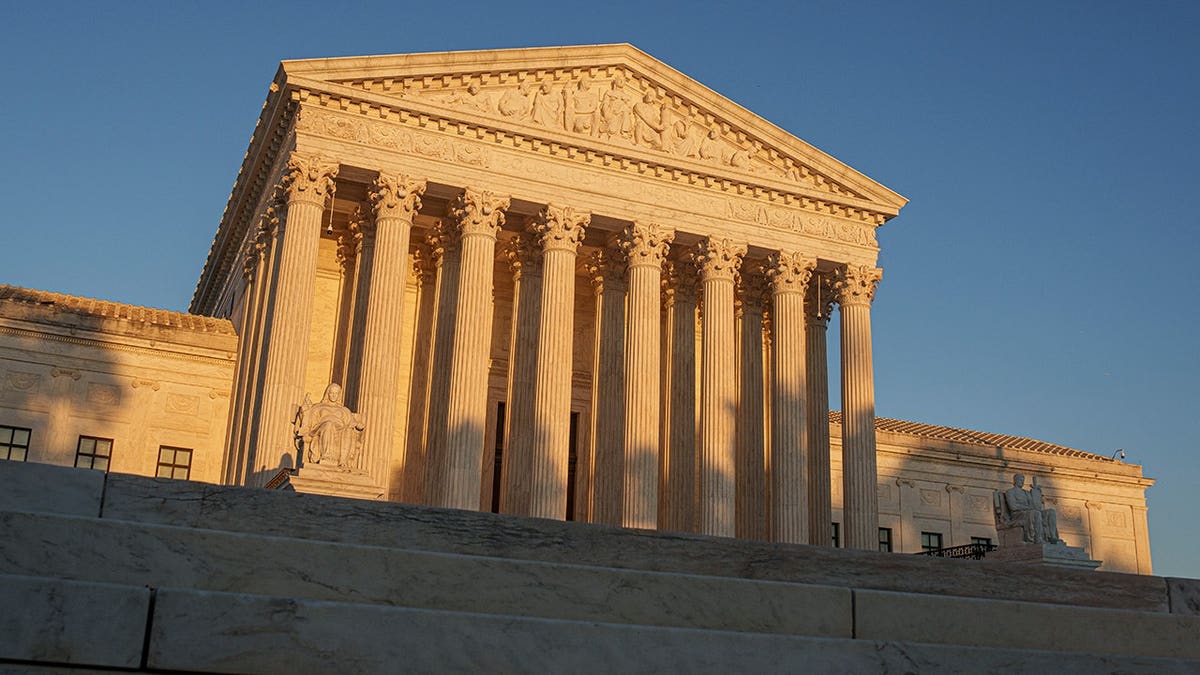
The U.S. Supreme Court cleared the way for the Trump administration to continue third-country deportations while the justices consider a legal challenge to the policy. (Getty Images)
The lawsuit against Proposal 2 seeks to block the electioneering-communications reporting requirement and the political-committee rules as applied to Mackinac — not to overturn Proposal 2 in its entirety. The measure is set to take effect 10 days after the official declaration of the vote, and no later than Dec. 3, according to the lawsuit.
“This lawsuit is no surprise,” Cowley said in a statement to Fox News Digital. “The corporations bankrolling our opposition have been gearing up for this lawsuit since Proposal 2 first qualified for the ballot, if not before.”
SIGN UP TO GET THE POLITICS NEWSLETTER
According to MOP UP Michigan, besides curbing pay-to-play political donations, Proposal 2 is designed to close what the group calls an “issue-ad loophole” — the ability to discuss candidates or ballot questions without expressly urging voters to support or oppose them in order to avoid certain disclosure rules.
CLICK HERE TO DOWNLOAD THE FOX NEWS APP
“Last night, Michiganders spoke loud and clear, voting to pass Proposal 2 with an overwhelming majority and delivering a resounding mandate to end pay-to-play politics and put power back where it belongs – with the people,” Cowley continued. “The bottom line is that we are confident Proposal 2 will withstand legal scrutiny, and we were fully expecting and are prepared to take on this challenge.”

- Admin
- Luka Doncic and the Lakers look to avenge home loss against the surging Portland Trail Blazers November 6, 2026
- Patriots’ TreVeyon Henderson suffers ‘unexplainable medical emergency’ in stunning health update November 6, 2026
- Jen Affleck’s divorce takes bitter turn as she blasts husband Zac, shares video of him criticizing her ‘sagging’ postpartum body November 6, 2026
- Florida Learjet crash investigators dig up engine piece after pilots warned of rough weather ahead November 6, 2026
- Experts reveal 6 rudest things passengers do on cruise ships November 6, 2026