On wild Cumberland Island, a land swap proposal stirs controversy
A wild horse grazes on whatever food it can find on Cumberland Island, Ga. on Oct 8, 2026. The National Park Service, which has managed the island since 1972, recently proposed a land swap with descendants of Thomas Carnegie, the wealthy Gilded Age industrialist who built homes on the island.
Malcolm Jackson for NPR
hide caption
Malcolm Jackson for NPR
CUMBERLAND ISLAND, Ga.— Wild horses, feral hogs and deer roam free on this 18-mile barrier island, one of the largest and most ecologically diverse along the Atlantic coast. The landscape includes salt marshes, maritime forests, and an expansive stretch of pristine, untouched beach only accessible to the public by ferry.
Since 1972, the National Park Service has managed Cumberland Island National Seashore, including roughly 9,800 acres of wilderness designated by an act of Congress which stated that “the seashore shall be permanently preserved in its primitive state.”
But there’s more on this island than federally protected wilderness. Visitors also can find Native-American relics, remnants of Spanish missions, the ruins of ante-bellum plantations, and opulent homes built by the wealthy Gilded Age industrialist Thomas Carnegie and his wife Lucy, who had 9 children.
Descendants of the Carnegies still live or vacation here on private property, and the park service has proposed a land swap with them that would allow for new construction. That possibility is creating tension between the many stakeholders who all have differing views of what it means to preserve the island they hold dear.
Park superintendent Melissa Trenchik has been defending the plan, giving media tours to an area under a grove of huge live oak trees on Cumberland’s west side, which overlooks an expansive salt marsh and Naval Submarine Base Kings Bay on the horizon.
It is currently parkland, which under the proposal would be handed over to two branches of Carnegie descendants for the construction of up to eight new private homes.
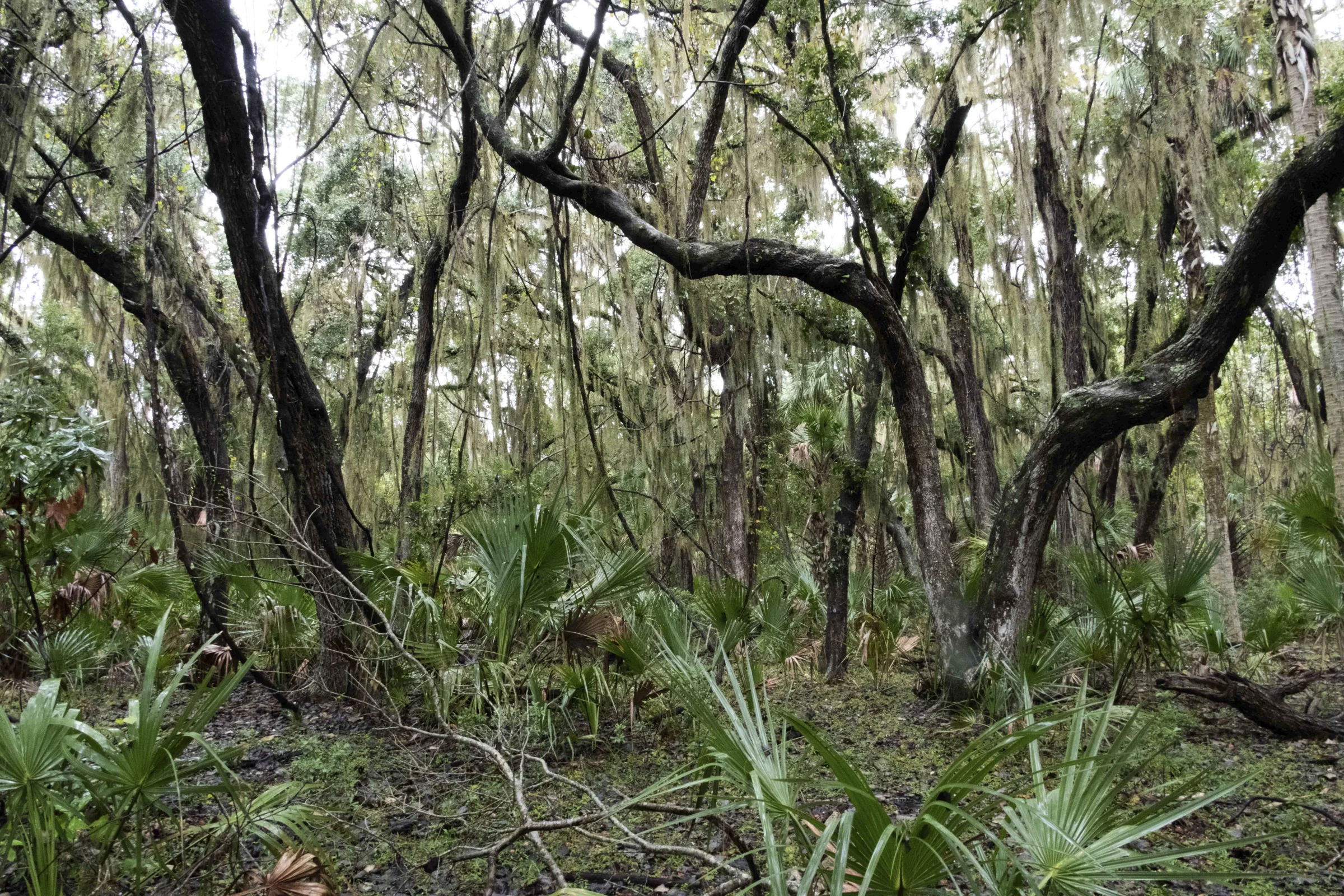
A portion of the maritime forest that’s part of the proposed land swap.
Malcolm Jackson for NPR
hide caption
Malcolm Jackson for NPR
“They obviously want to be with this incredible view,” Trenchik told Georgia Public Broadcasting‘s Jillian Magtoto, as they stood on the edge of a maritime forest looking out over the Cumberland Sound.
The idea, Trenchik said, is to consolidate private ownership on the west side of the island, so the park can better interpret natural and cultural resources on the Atlantic beachside of Cumberland, including sensitive coastal and wilderness areas where the government could then prohibit development. The park service received more than 12,500 public comments on the proposal.
“Right now, if we do nothing, development is possible,” she said of the private land the park service seeks to acquire.
Trenchik said the eight new “modest” homes would be subject to permanent conservation limits and could not exceed 35 feet in height. Critics, however, say the 15,000-square footage allowance, including driveway and outbuildings, is anything but modest.
“We’re swapping for McMansions,” said Joseph Manning, an attorney with Defenders of Wildlife, a Washington D.C. based conservation group fighting the deal.
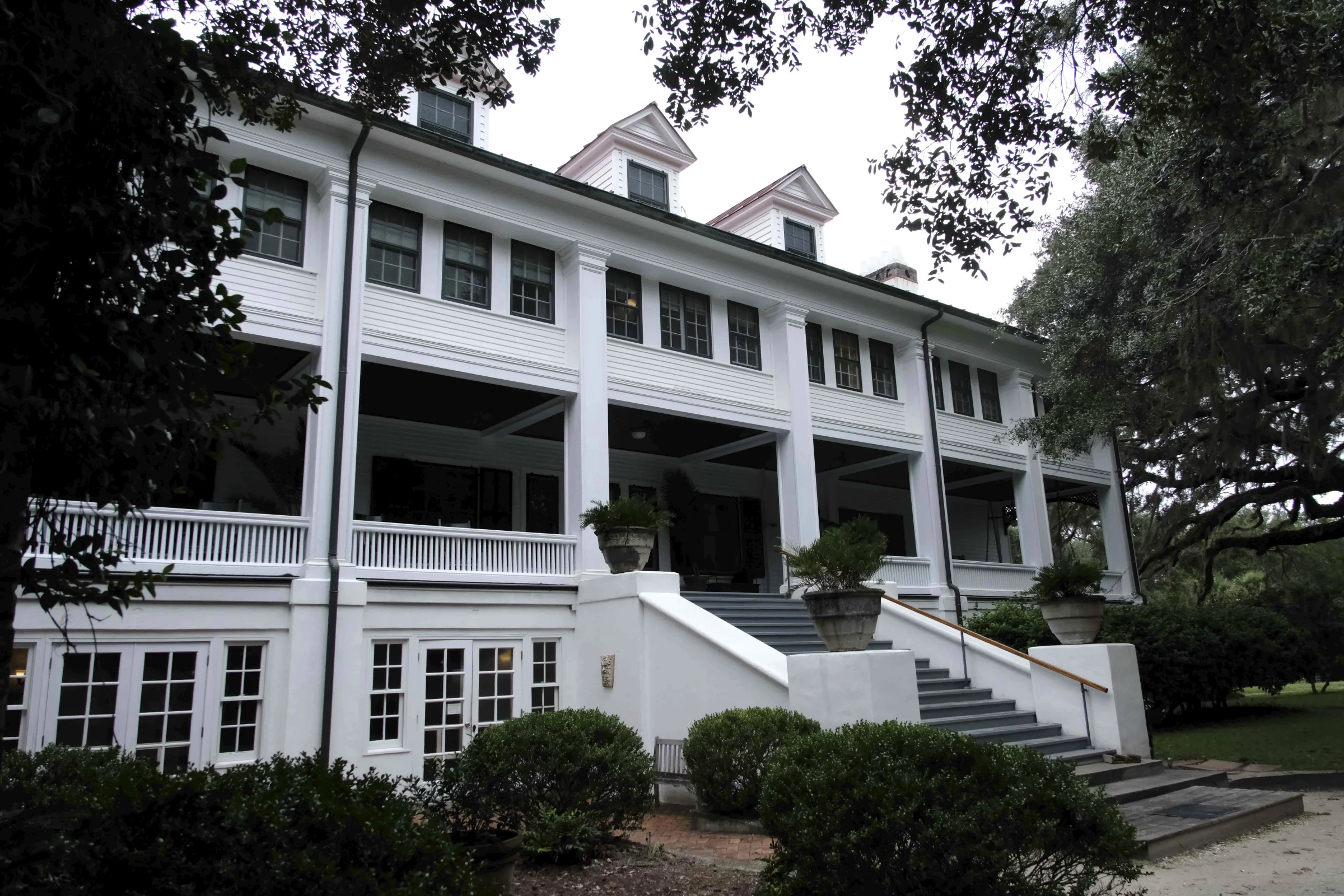
The Greyfield Inn, which Carnegie family descendants own and operate as the island’s only hotel.
Malcolm Jackson for NPR
hide caption
Malcolm Jackson for NPR
Manning sees what’s happening on Cumberland as the latest attempt by the Trump Administration to privatize public lands, pointing to other attention-grabbing headlines about a baseball park in Grand Teton, a land exchange in Yosemite, and repeated shrinkage of Bears Ears National Monument.
“Possibly the universal theme among all of these parks and refuges land exchanges that we’re seeing is that they are not being done to expand public access,” Manning said. “They’re being done to benefit a particular special interest or just a handful of individuals or families, as is the case at Cumberland Island.”
Barclay McFadden is a great-great-grandson of Thomas Carnegie, the brother of Pittsburgh steel magnate Andrew Carnegie.
“The hysteria about mansions and the Gilded Age and all that is so unfounded,” McFadden said. “We love our island.”
McFadden, who is involved in one of the land deals, said he’s hurt by the way the debate over the land swap paints his family as modern-day robber barons without taking into account their history on the island.
“Five generations have been buried there. We have a family cemetery. It’s still there. That’s where I’ll go,” he said. “For our children and our grandchildren, it’s a sacred place.”
The land swap will allow them to build homes for those younger generations, McFadden said.
“We have been wonderful stewards of the island, and we have taken care of the island,” he said, pointing out that his grandmother’s generation had the opportunity to sell their property to developers in the 1970’s. “They protected the island from turning into a golf course.”
His cousin Jamie Ferguson, who is not directly involved in the current land swap proposal, said he trusts the Carnegie descendants’ legacy of protecting what’s special here. He jointly co-owns (with about 40 others) a Carnegie mansion here, now operated as a bed and breakfast – the Greyfield Inn.
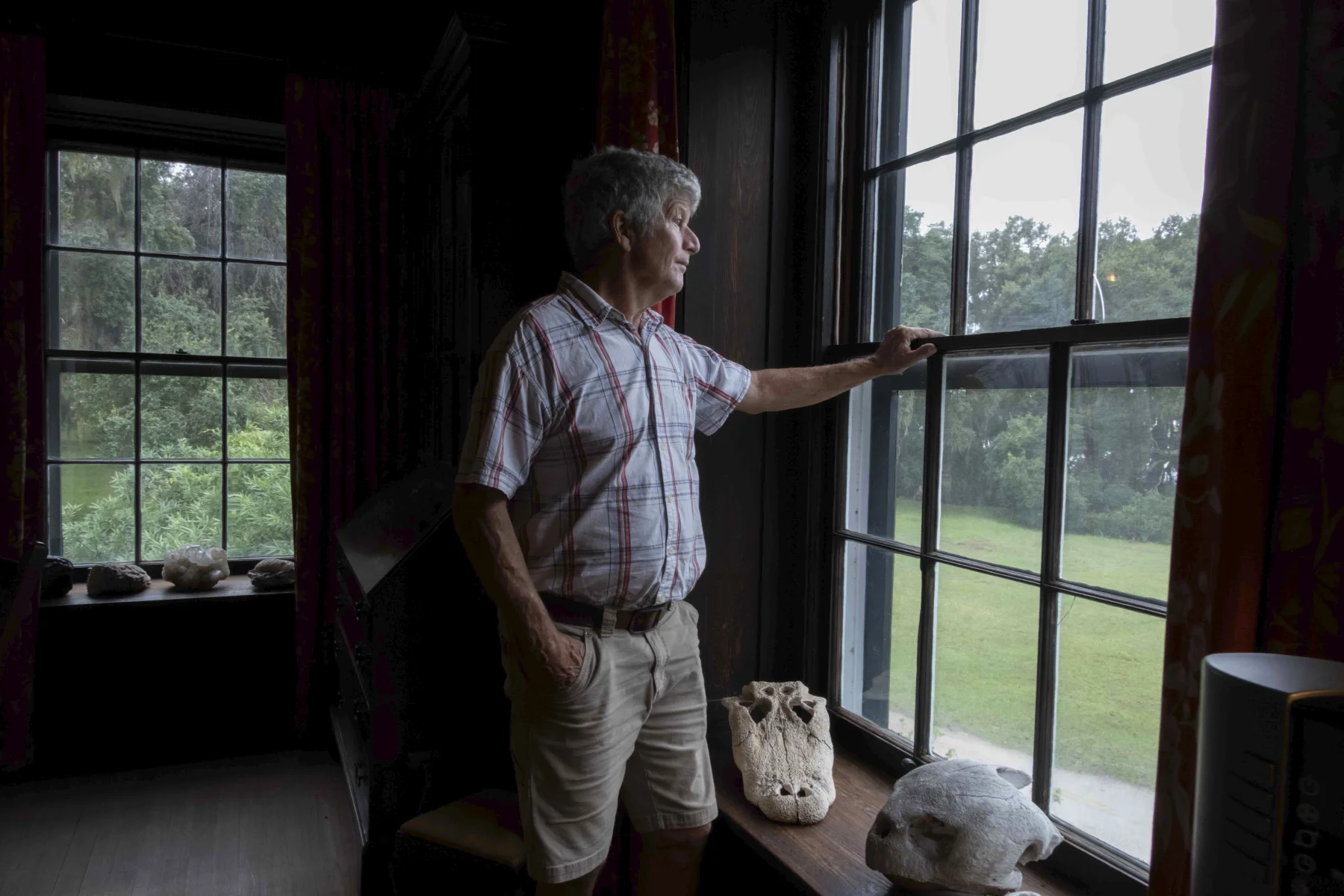
Jamie Ferguson, a Carnegie descendent, stands inside the library at the Greyfield Inn, a former Carnegie mansion that he jointly co-owns (with about 40 others) and operates as a bed and breakfast.
Malcolm Jackson for NPR
hide caption
Malcolm Jackson for NPR
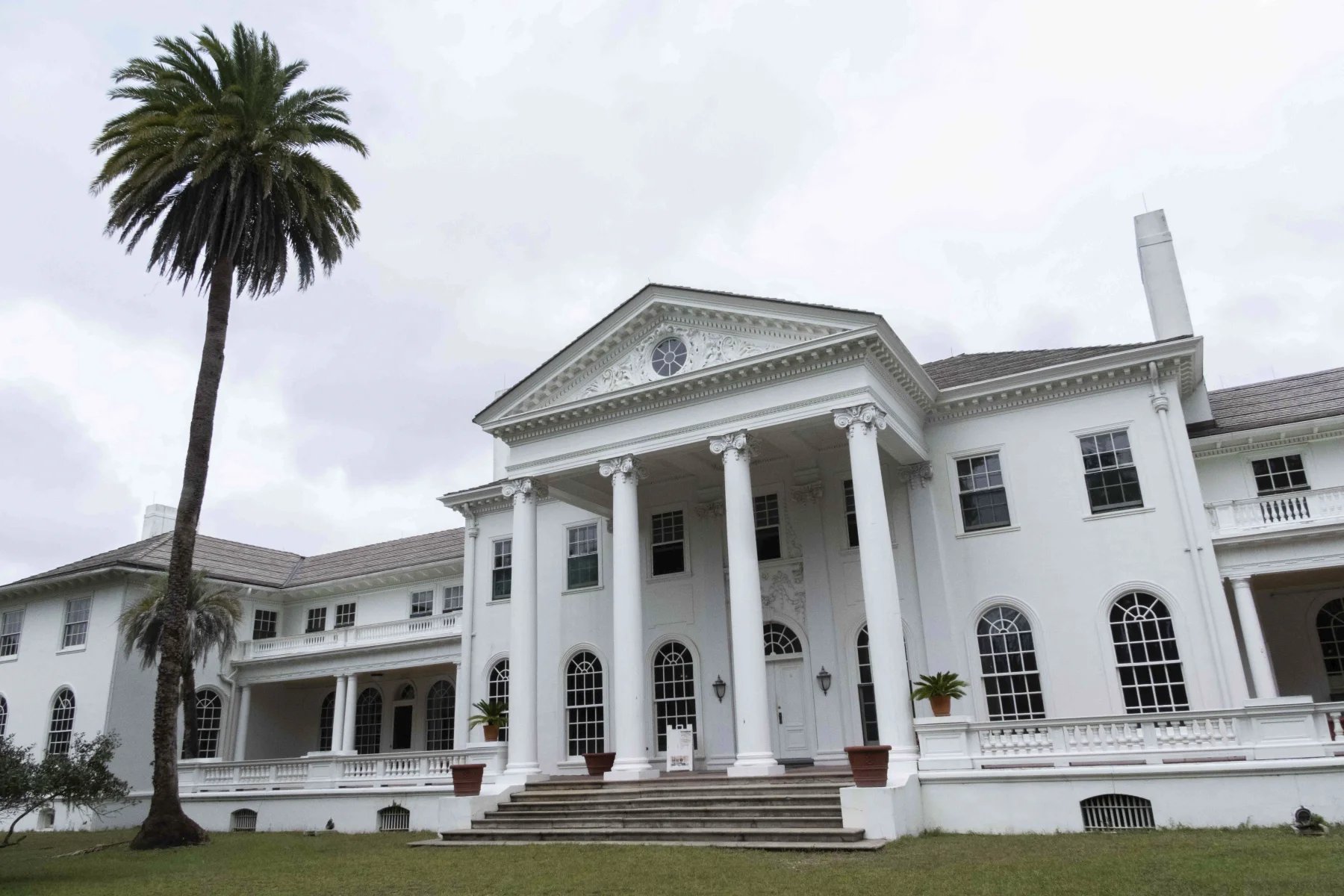
Plum Orchard Mansion, which was donated to the National Park Service and is now featured on the once-daily “Lands and Legacies” tour of the island’s public cultural sites and ruins.
Malcolm Jackson for NPR
hide caption
Malcolm Jackson for NPR
“It’s kind of like a live oak family tree – it’s really widespread,” said Ferguson, the family’s unofficial historian. “The common thread we have though is this place.”
He said his grandmother was adamant that the land remain in the family, even when other Carnegie descendants donated property to the National Park Service.
One advantage Ferguson sees to the land swap is greater visitor access to what he calls the “most important historical monument on Cumberland,” a site known simply as The Chimneys. The remnants of about two dozen brick and tabby chimneys are lined up in rows under Spanish moss draped oak trees. It’s where enslaved workers lived on an old sea island cotton plantation that pre-dated the Carnegies.
Ferguson points out the National Park Service is tasked with not just preserving the island’s natural history, but also its cultural history.
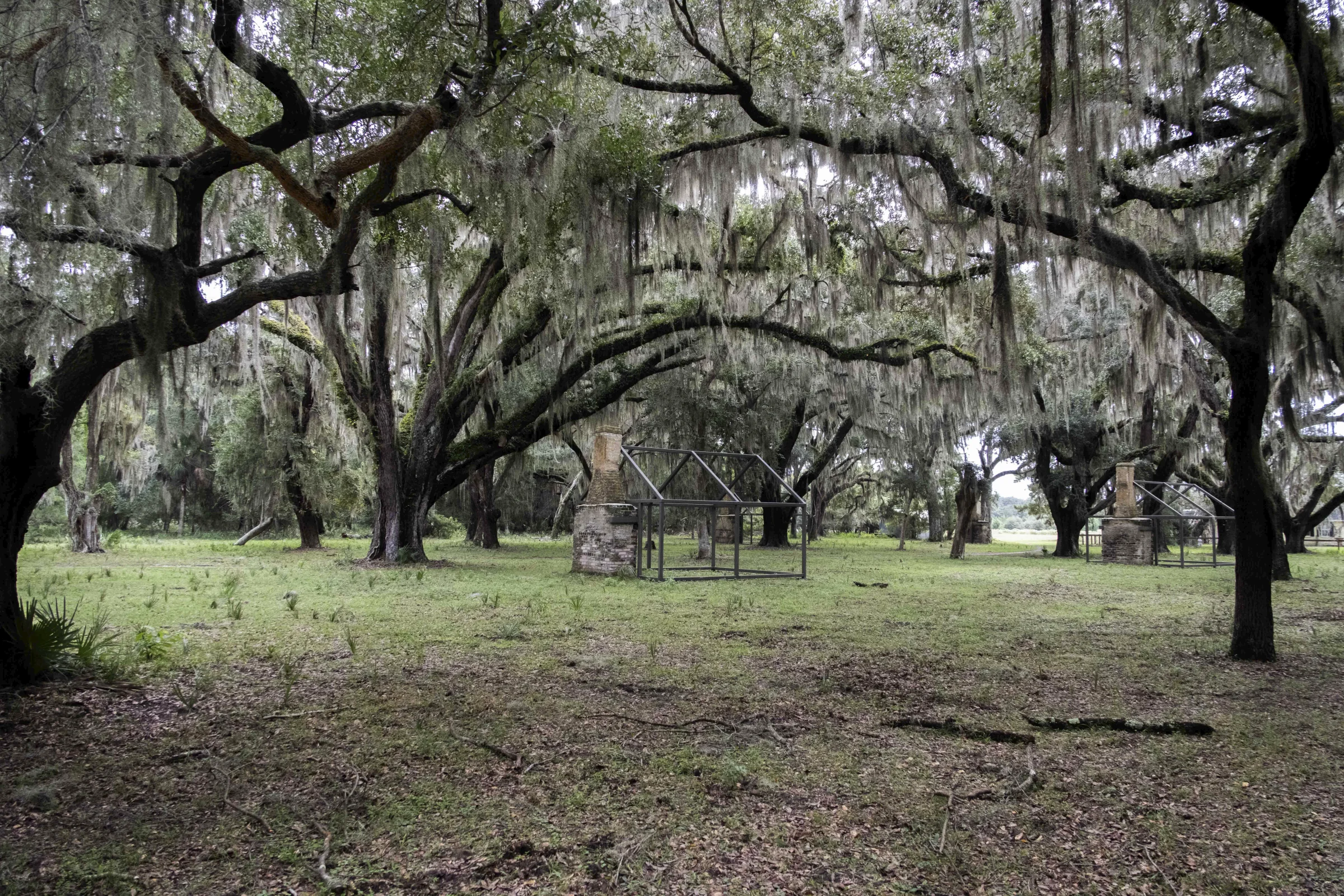
A site known as “The Chimneys” contains the remnants of about two dozen brick and tabby chimneys lined up in rows under Spanish moss-draped oak trees. This is where enslaved people lived on an old sea island cotton plantation that pre-dated the Carnegies.
Malcolm Jackson for NPR
hide caption
Malcolm Jackson for NPR
“Like it or not, we’re part of that cultural history,” said Ferguson. “And I don’t mean that in a bad way. I mean, I believe that we’re a part of that cultural history, and that comes with some responsibility too.”
There are a few other private homes on Cumberland that are not owned by Carnegie descendants. Naturalist Carol Rucksdeschel lives in one of them. After living on the island for more than 50 years, she’s still excited each day at what she discovers.
“God look at that – that’s so beautiful,” she said one recent day, spotting a pair of wood storks descending into the marsh grass.
At 85, Ruckdeschel still surveys Cumberland Island every Friday morning, combing the beaches looking for stranded sea turtles and new nests. The ecologist has emerged as one of the main voices opposing the land swap, which she worries is the “first nose under the tent” towards greater development on the island.
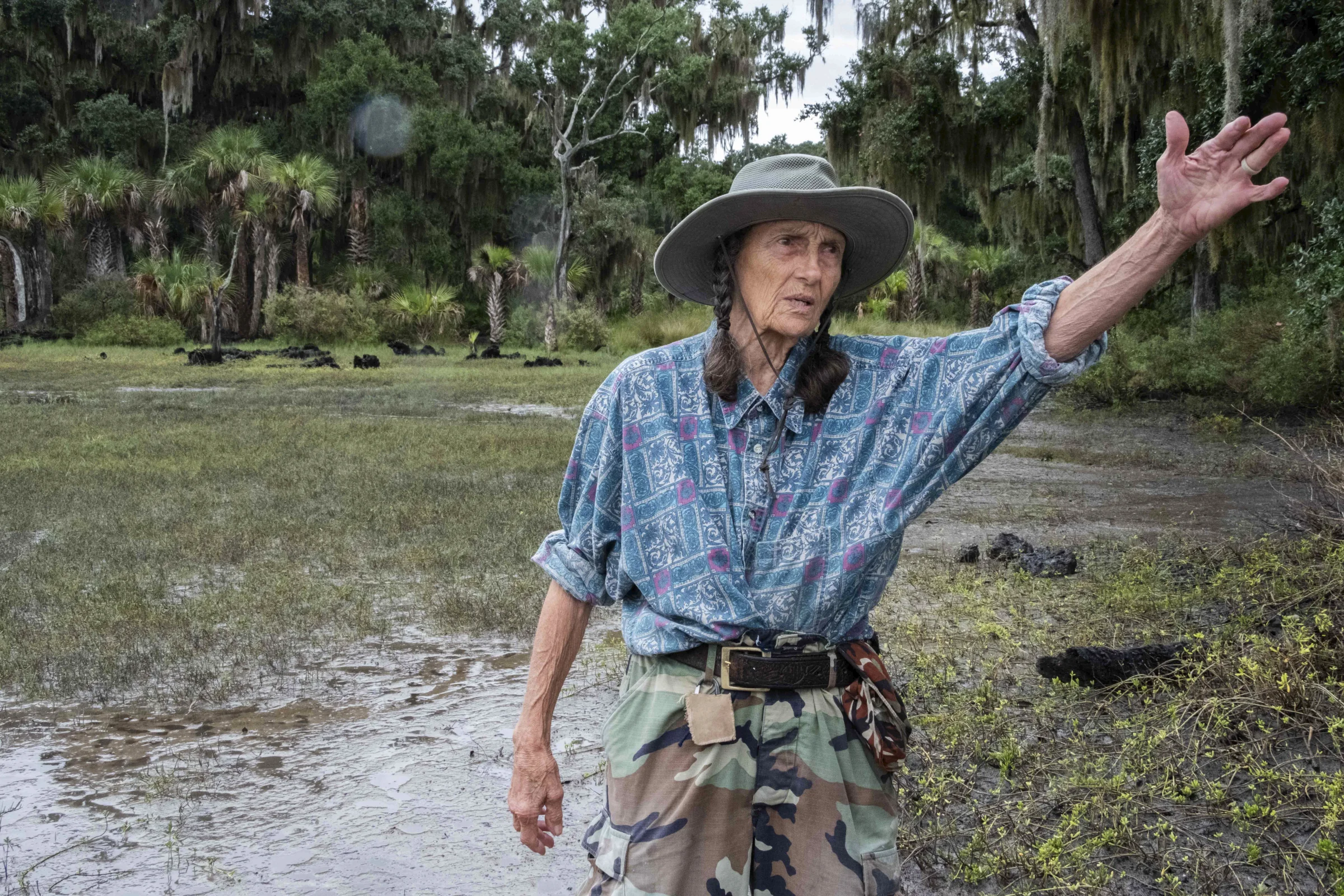
Naturalist Carol Rucksdechel lives in one of the few private homes on Cumberland not owned by Carnegie descendants. She has lived on the island for over 50 years.
Malcolm Jackson for NPR
hide caption
Malcolm Jackson for NPR
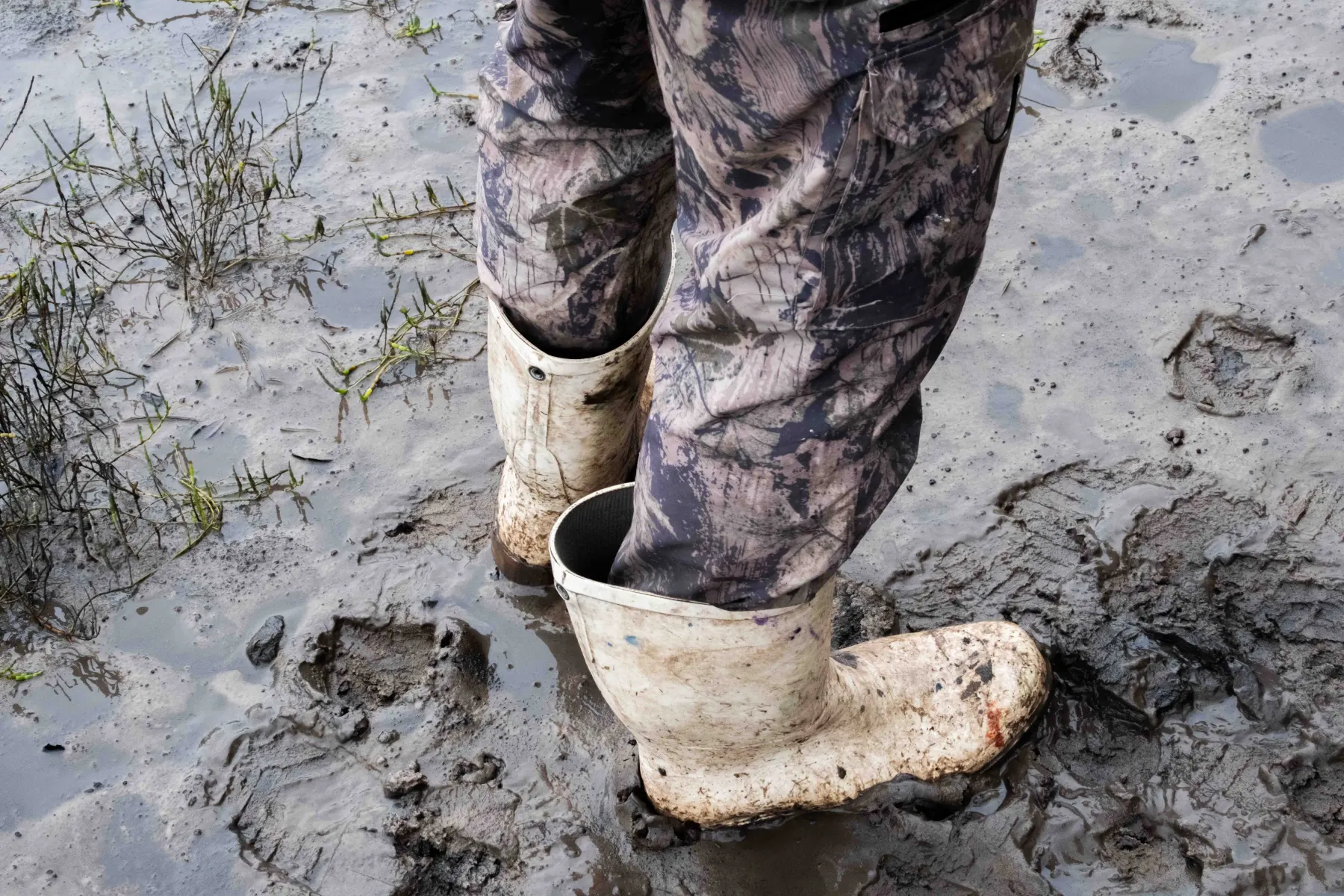
At 85, Ruckdeschel still surveys Cumberland island every Friday morning, combing the beaches looking for stranded sea turtles and new nests.
Malcolm Jackson for NPR
hide caption
Malcolm Jackson for NPR
“This plan to me is a real affront to the American people, but it’s also an insult to the Park Service,” Ruckdeschel said. “It’s not what they’re supposed to be doing. They’re supposed to be protecting this place.”
She’s also not happy that the park service plans to double daily visitation to Cumberland, up to 700 visitors a day.
Ruckdeschel, who is involved with the conservation group Wild Cumberland, said she’s friends with Carnegie descendants and acknowledges their love for the island. Still, she said, more homes and more people will disturb what the island should be – a pure primitive wilderness where nature overtakes what humans have left behind.
“It’s stepping into its climax stage, which is terribly exciting,” Ruckdeschel said of the rewilded maritime forest she’s witnessed take over old plantation cotton fields.
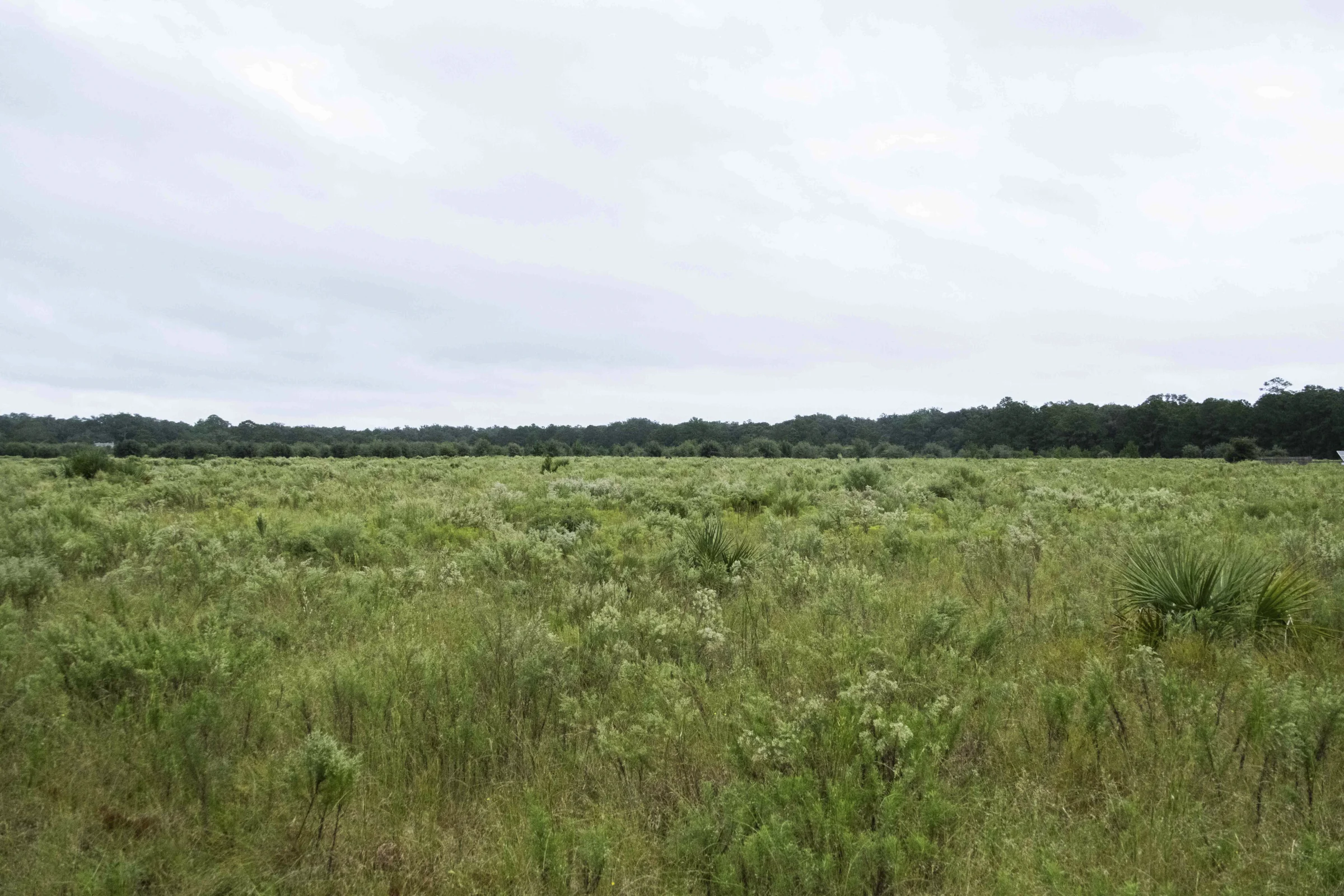
A former cotton field where enslaved people worked is now an open field on Cumberland Island. Ruckdeschel believes the island should be a place where nature overtakes what humans have left behind.
Malcolm Jackson for NPR
hide caption
Malcolm Jackson for NPR
“And that’s what I would have loved to have seen the whole island do,” she said. “And then people die out, places go back to nature and that’s it.”

- Admin
- Democrats won big on issues like immigration. But ICE still has the money November 9, 2026
- Nebraska rushed Medicaid work rules. Then a cancer patient was told he'd lost coverage November 9, 2026
- Supreme Court weighs effort to shield federal law enforcement as ICE complaints rise November 9, 2026
- Russell Brand sentencing live updates: British comedian’s wife arrives at court his sentencing after rape conviction November 9, 2026
- Democrats won big. Can they lower your grocery bill? November 9, 2026